-min.jpg)


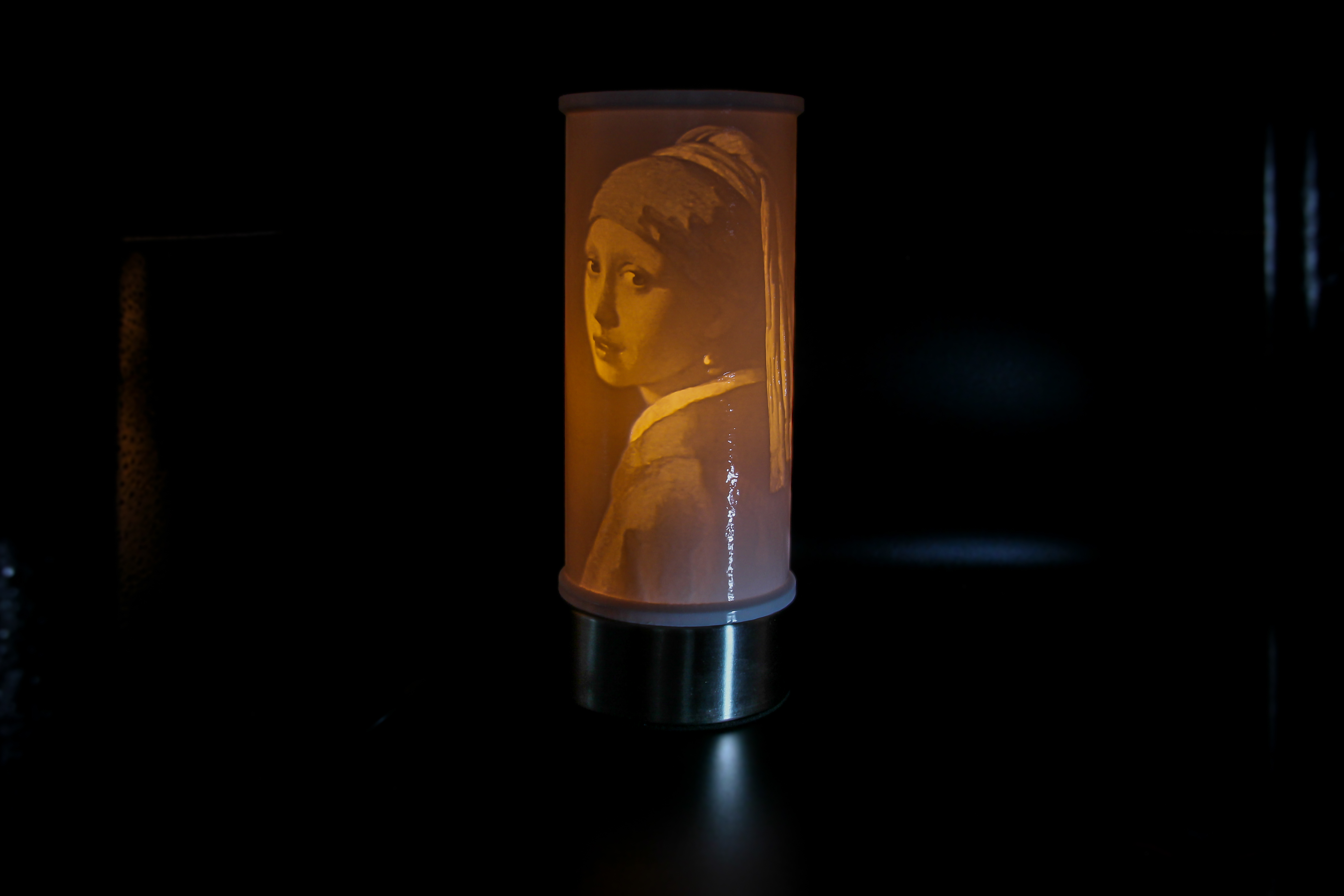
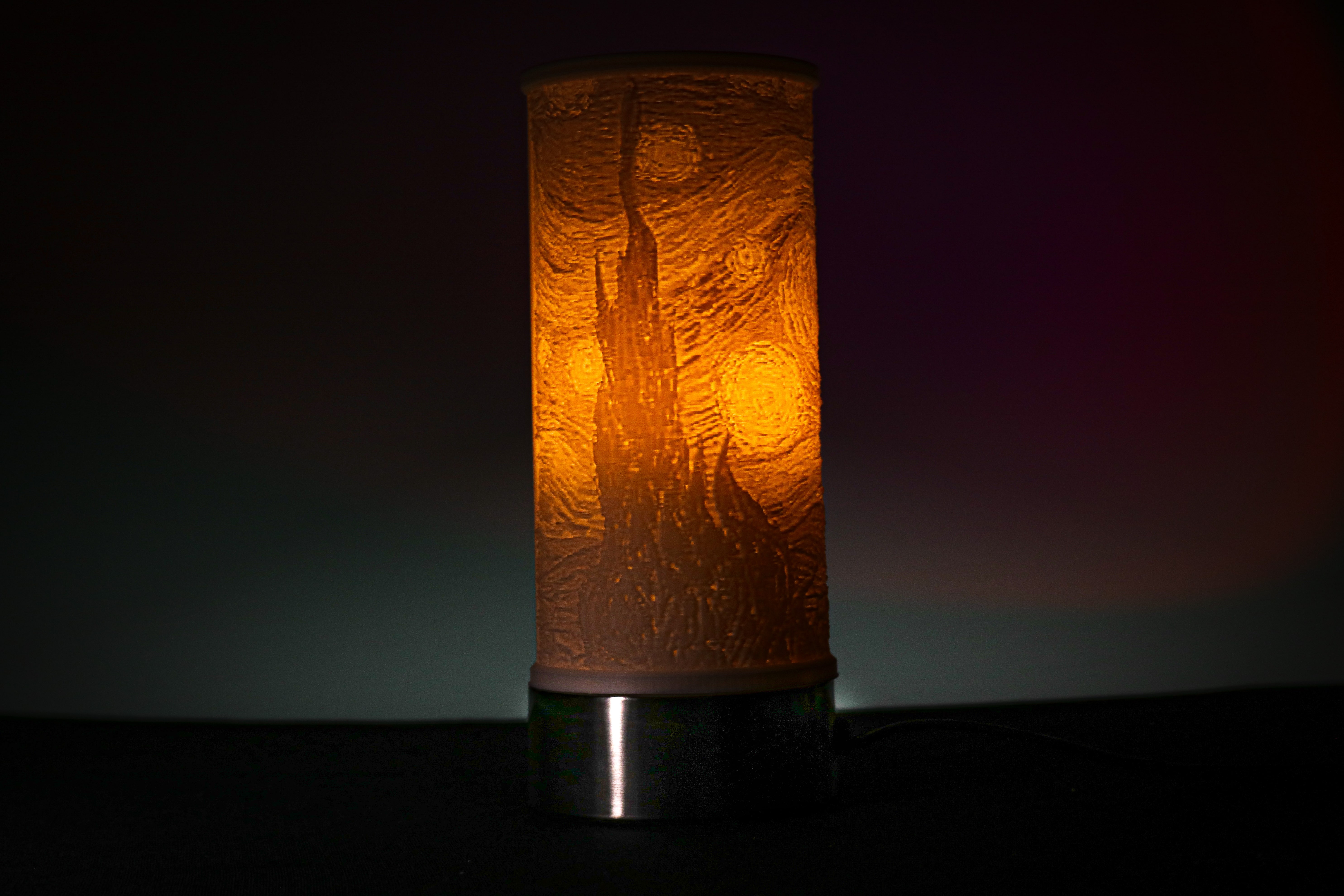
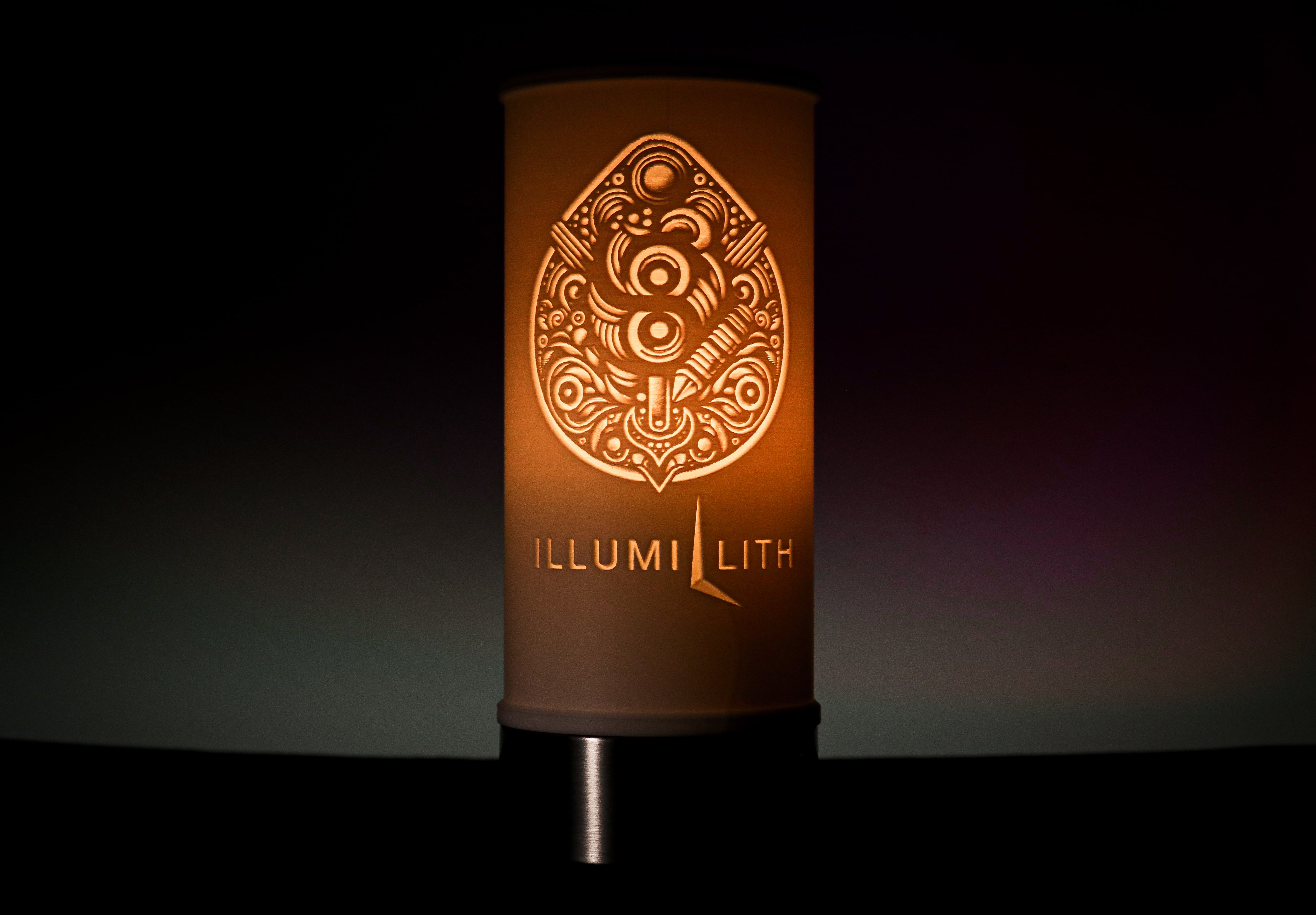
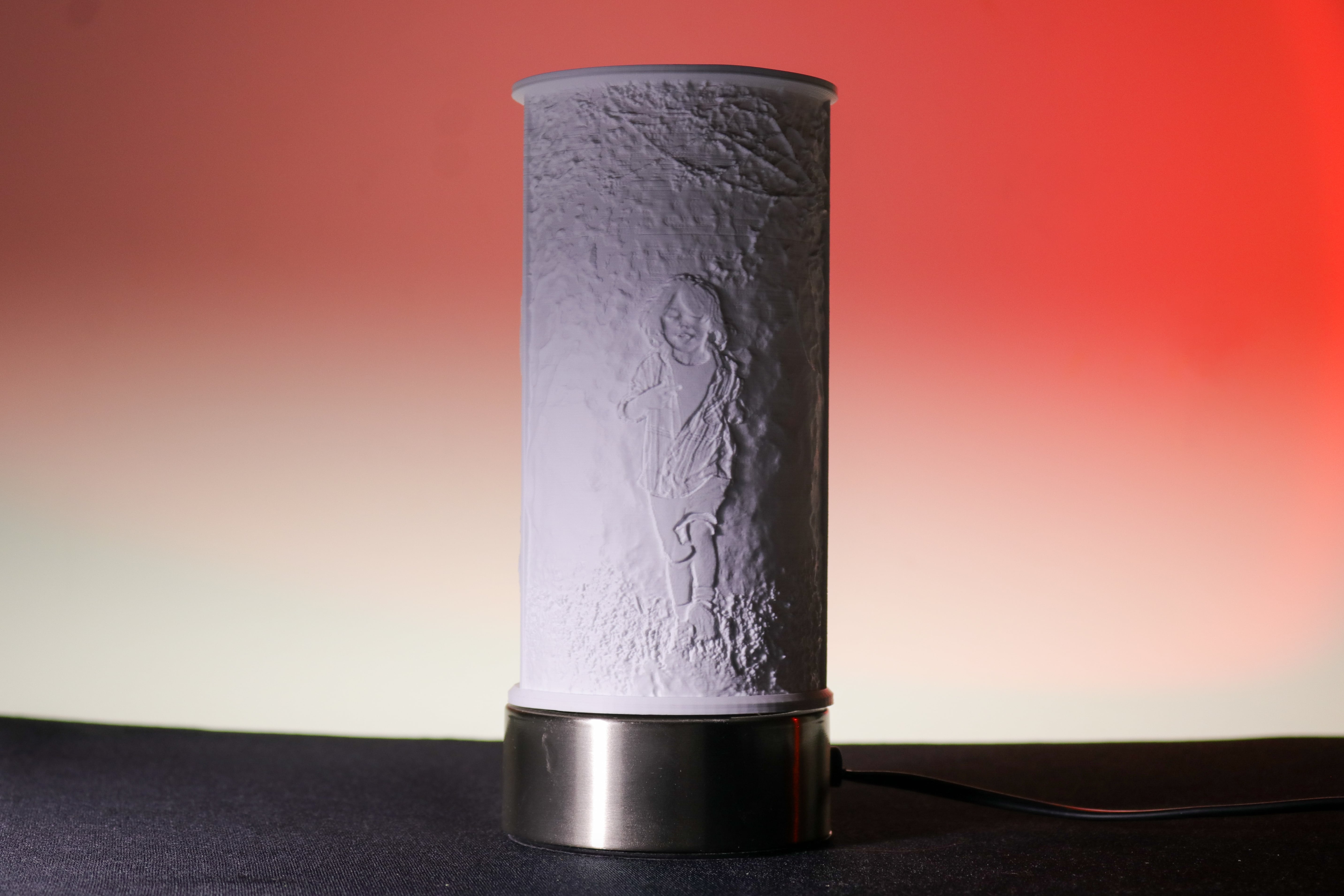
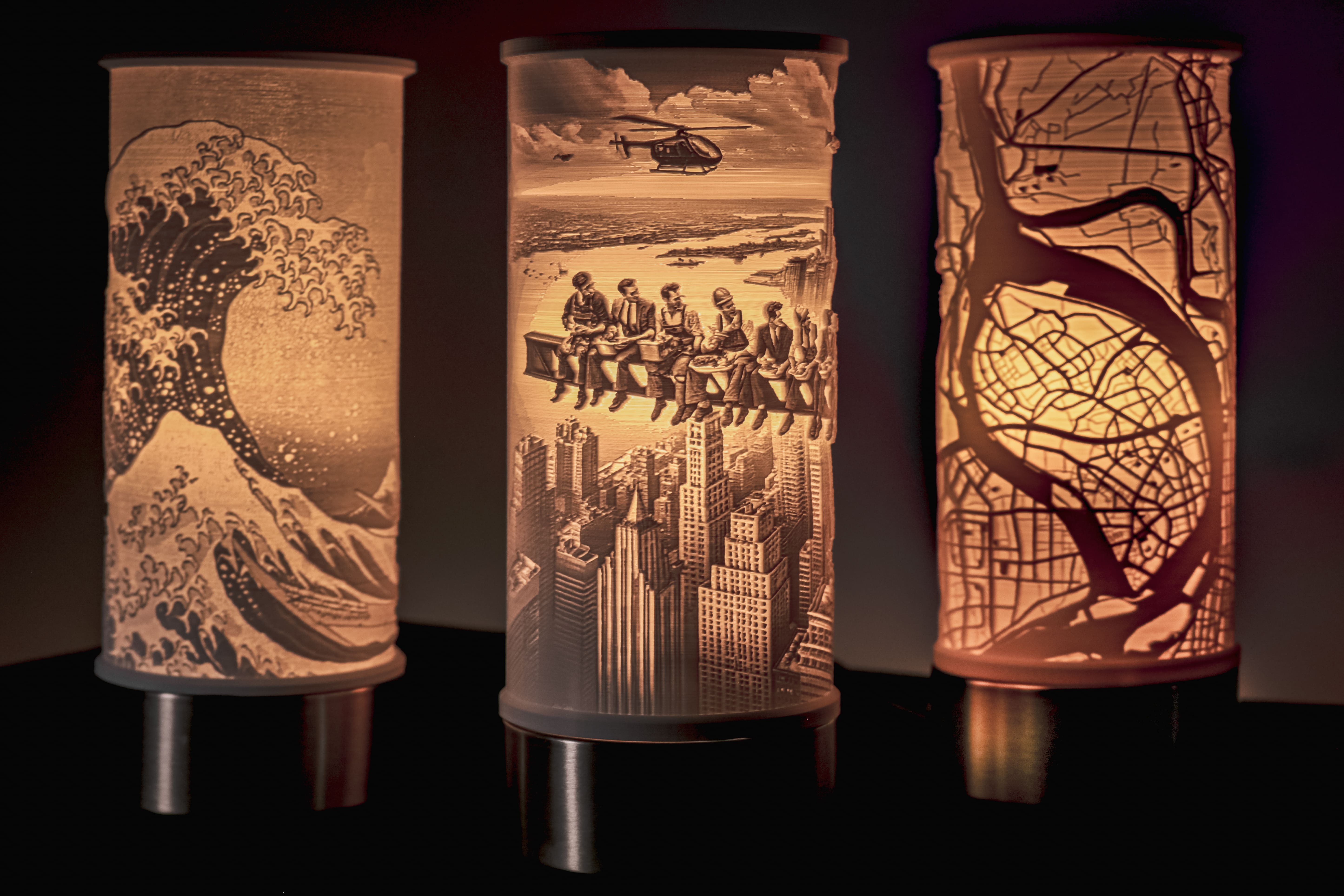
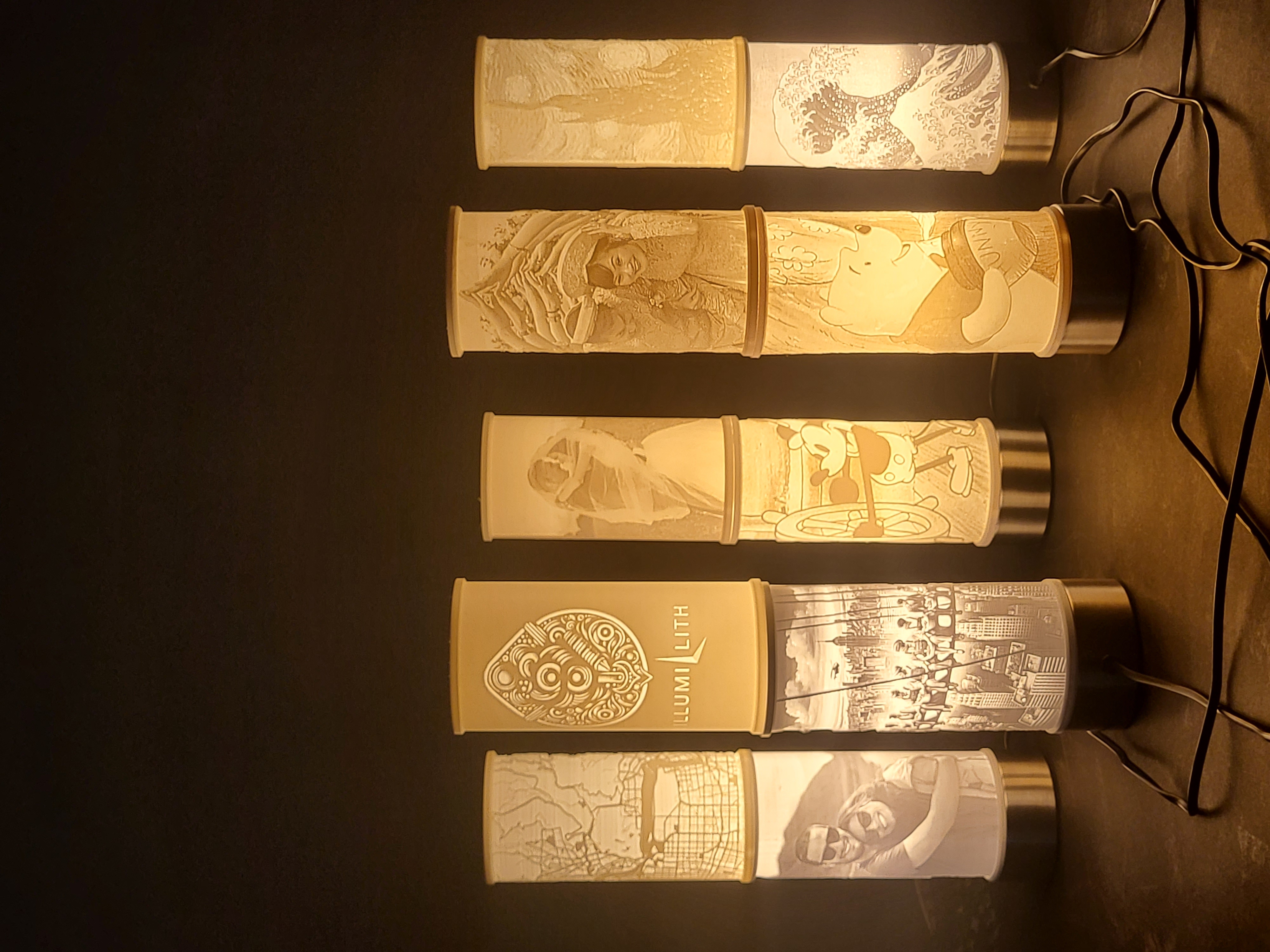
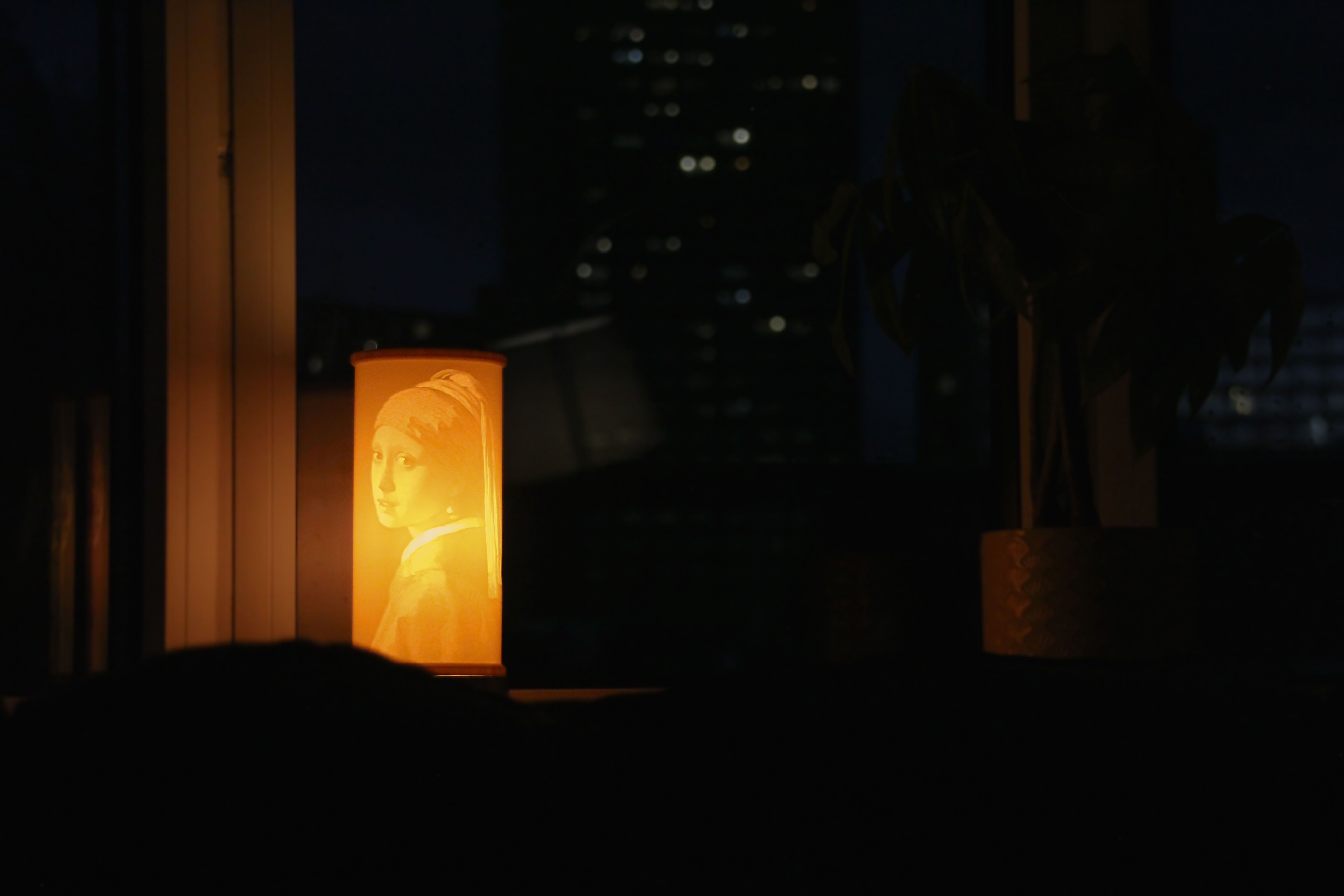
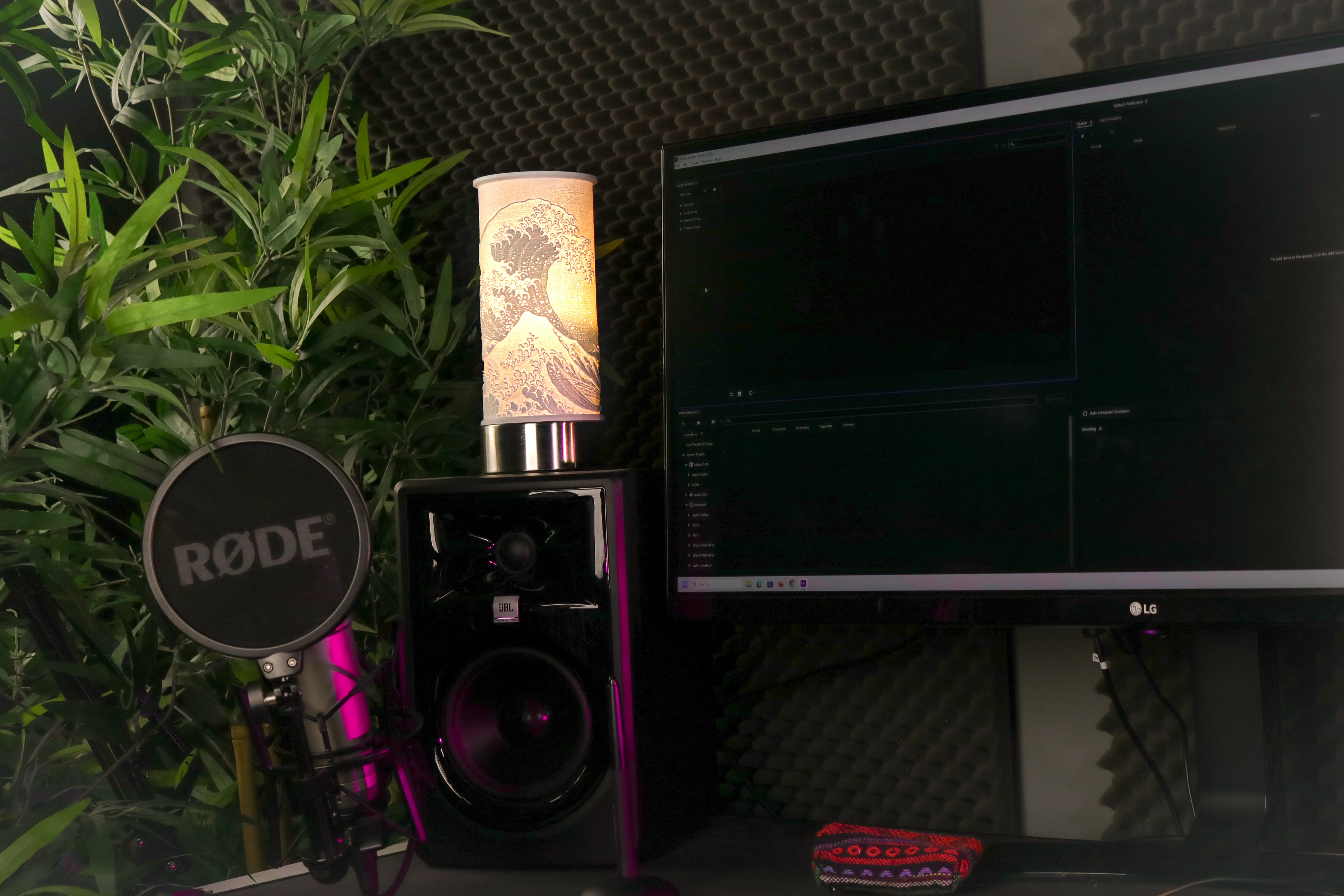
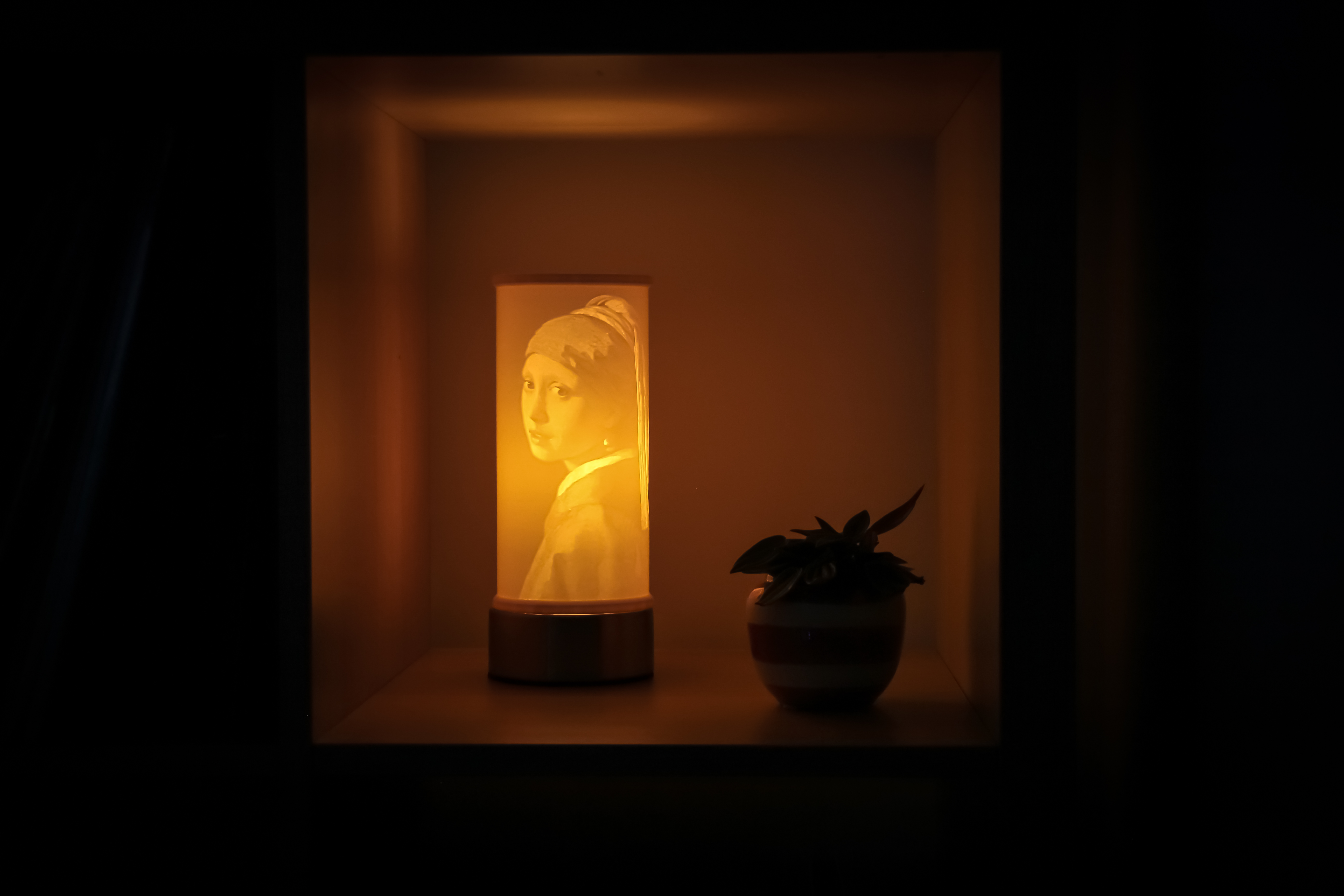
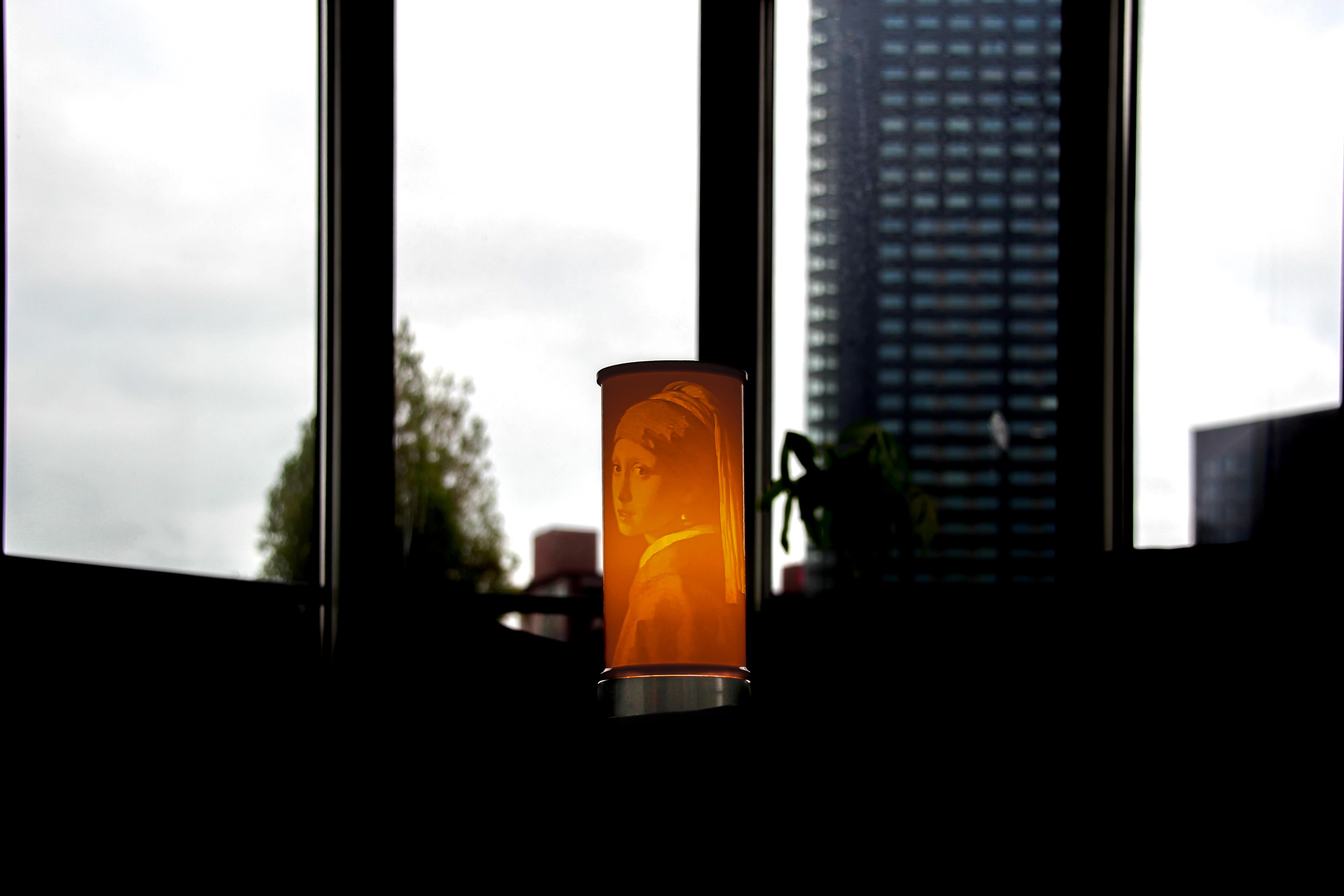
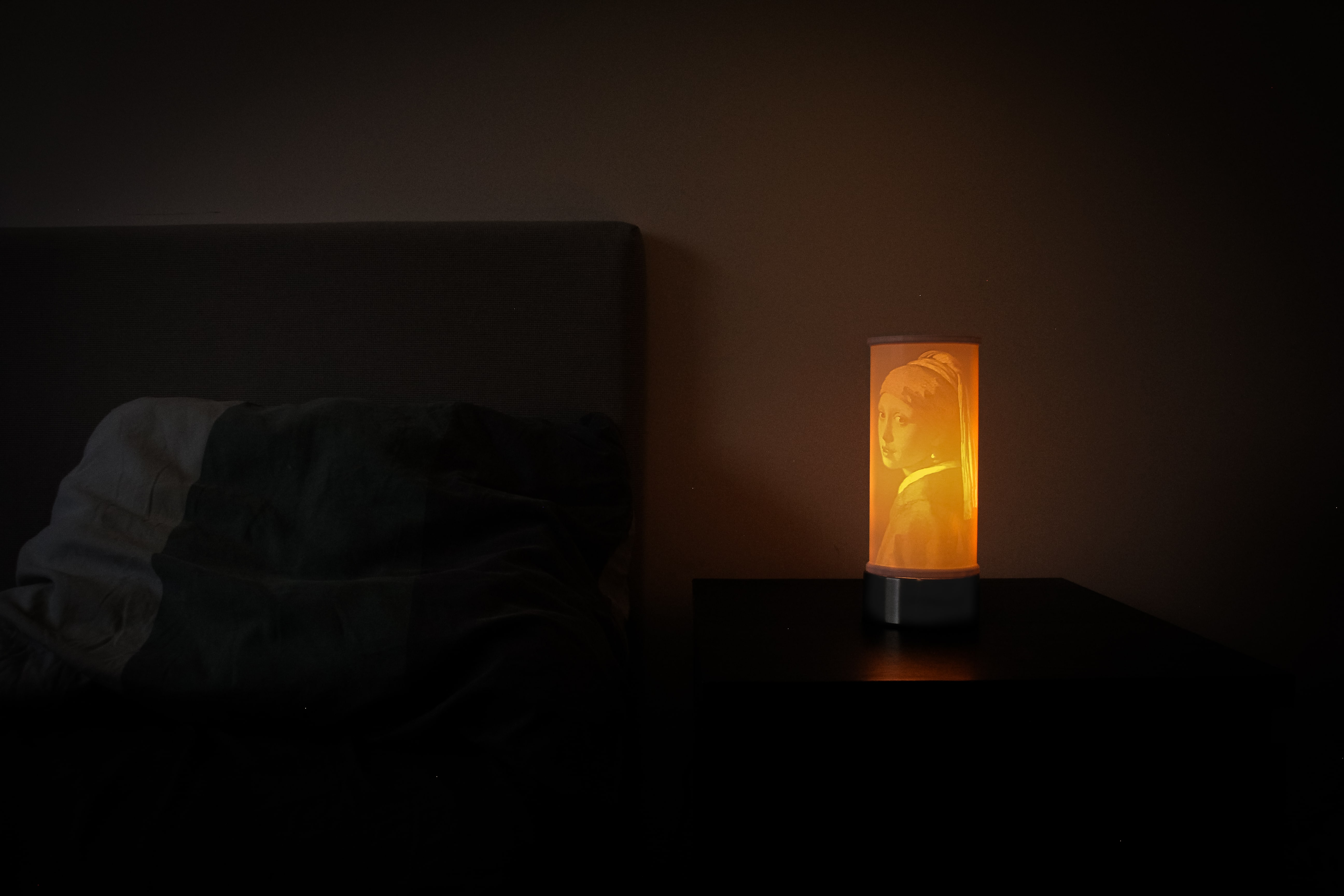
At Lumo Lamps, we tackled the challenge of reviving the art of lithophanes, a delicate and intricate form of art that once flourished in the 19th century but became impractical with the rise of mass production. Traditional lithophanes, known for their detailed and luminous images, required painstaking craftsmanship that couldn't be replicated on a large scale. However, with the advent of additive manufacturing, we have made it possible to produce custom lithophane lamps in large quantities. By leveraging 3D printing technology, we combine the precision of this historic art form with the efficiency of modern manufacturing, bringing personalized and beautifully crafted lamps to a broader audience.
Automation
An automation software was developed that allowed the Lumo shadow lamps to be created in 1-click. After the client inputs their image, it gets converted to B&W and a depth mapping projection is done on the model of the lamp shade. This outputs an STL file of the custom lamp shade which is run through a slicer’s API in order to automatically slice the file. Plans for extending this process are underway to automate the 3D printing and post-processing steps.
Peer-To-Peer AM Service
To leverage the power of consumer 3D printing, a peer-to-peer 3D printing farm service was setup locally. This networked allowed for owners of certain high-quality consumer 3D printers to become distributed producers, and all orders were send to this network at a commission basis.
Material Choice
The original material used for prototyping is PLA due to its ease of printing. Various different colors were tested, with whites, off-whites and beiges making the best backdrop. Baby blue was found to give an interesting oil-paint style look but is quite dimmed.
For the retail product ABS is used due to its better heat resistance, lower UV susceptibility and improved general durability. By doing so, the lamp pertains its premium feel for years to come. Whilst product testing with the PLA lamp shades showed that under extreme conditions, direct sunlight bundles through glass can cause the plastic to get viscious, melt and start distorting. However, the testing found that ABS' improved glass transition temperature of around 160C prevents this issue from occuring.
Surface Treatment
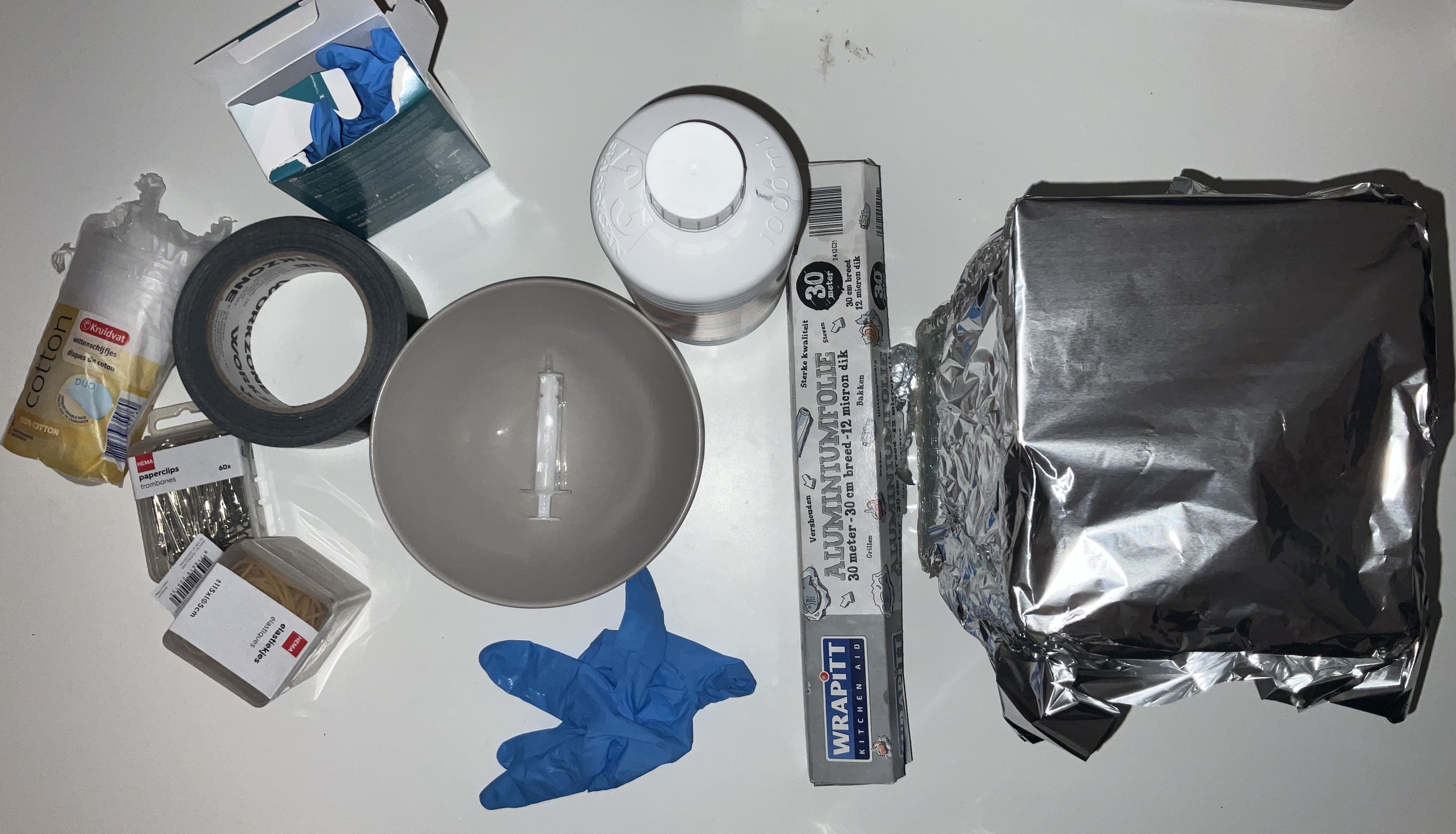
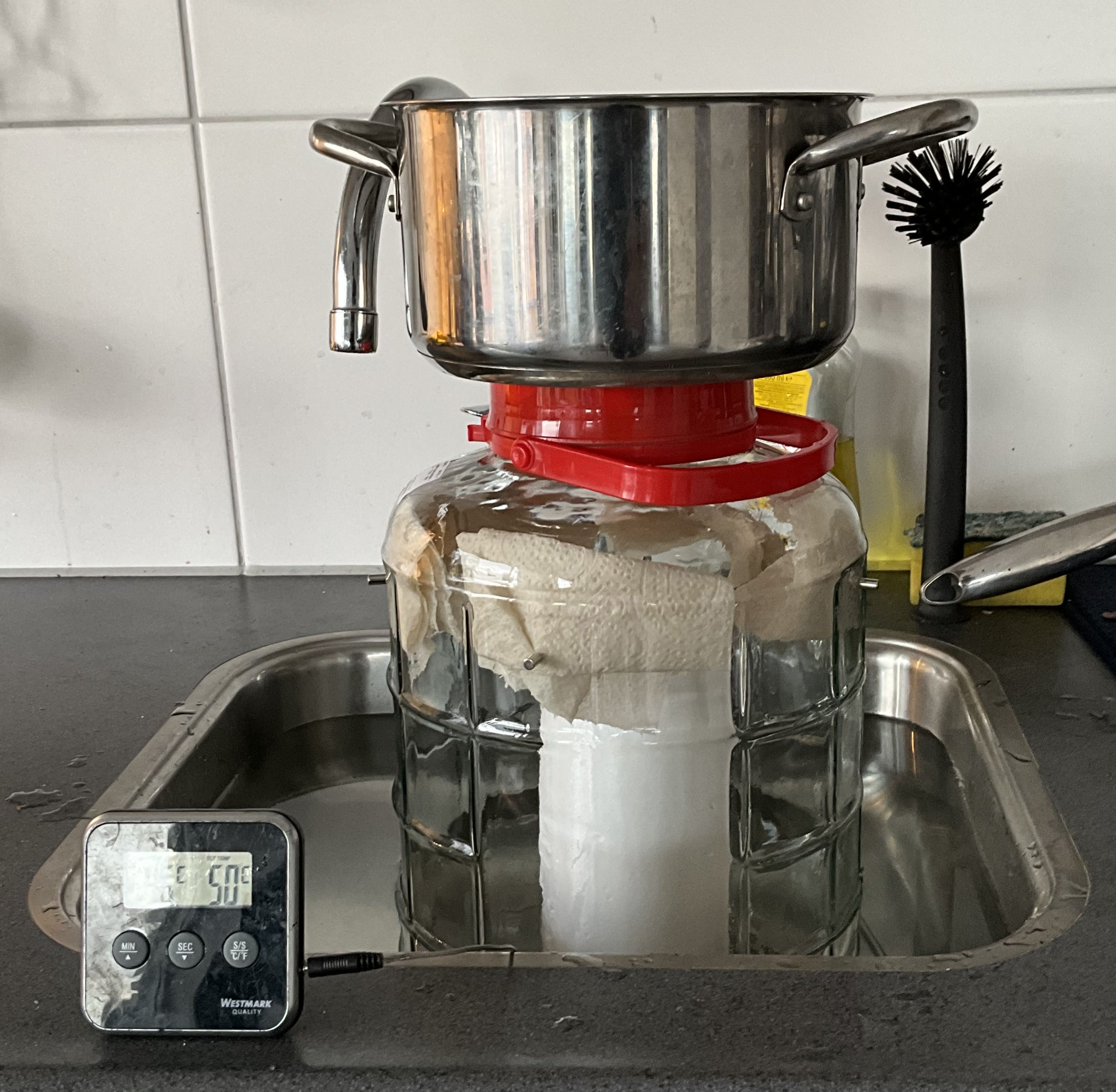
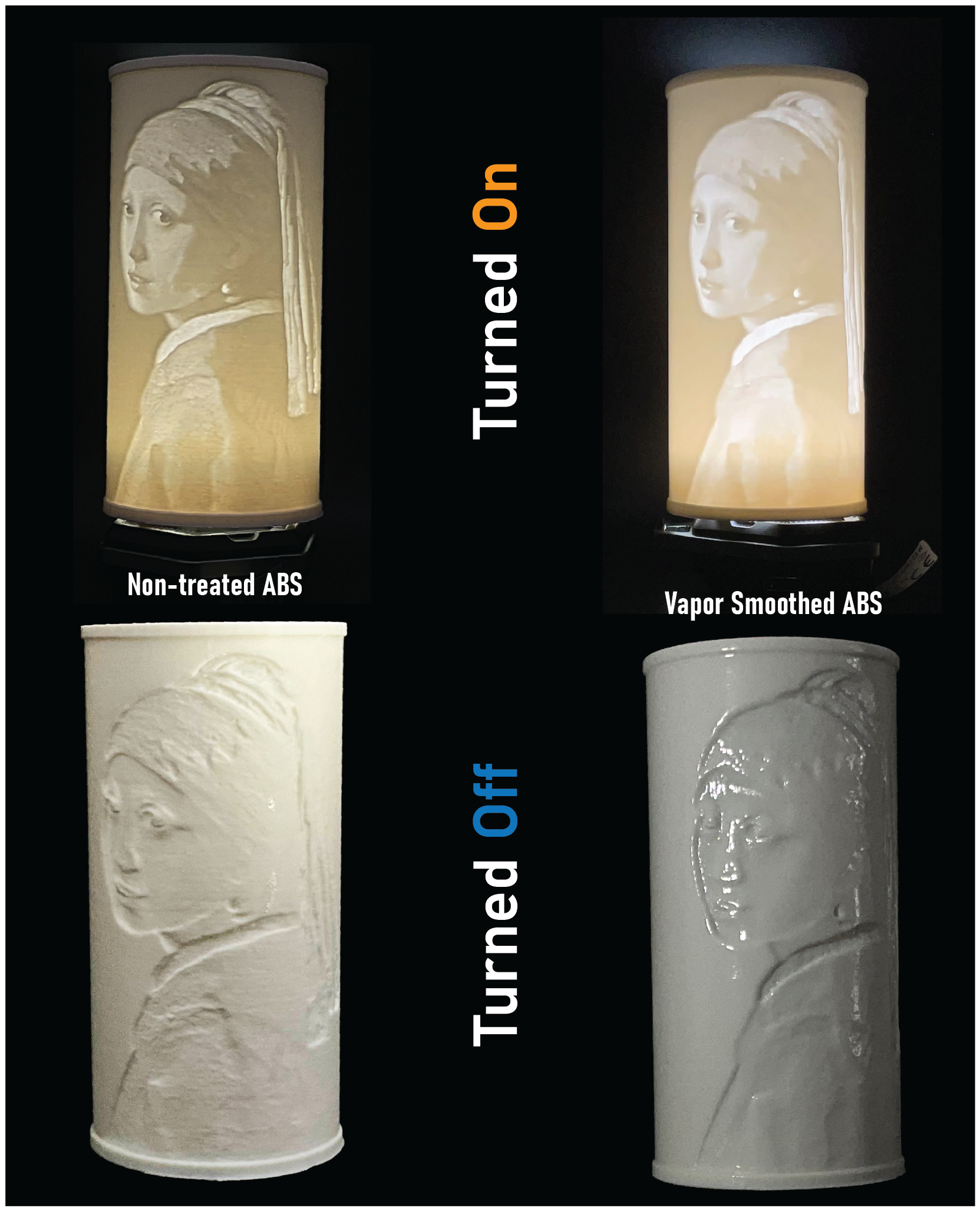
Based on feedback by users and potential customers, surface treatments are necessary to make the plastic lithophane feel more premium, especially when turned off. Sanding, inverting the surface and using an opaque plastic film to smooth out the shade are tried and tested. Ultimately, acetone vapor smoothing is chosen for post-processing to create a entirely smooth, almost injection-molded like finish. This acetone vapor also removes all layer lines from being visible to the naked eye as well as eliminating any small printing imperfections. The improved feel and user experience with these smoothed shades received positive feedback in further product tests.
Additionally, previously in fall-impact product tests, the PLA shades would break along the printing line. Instead, by fusing the layers together on the outer wall and using ABS with higher toughness than PLA, the print's material properties become more isotropic and thus stronger. Thus, with the vapor smoothed ABS print, resistance against impacts or falls is increased significantly; making for a more durable product.
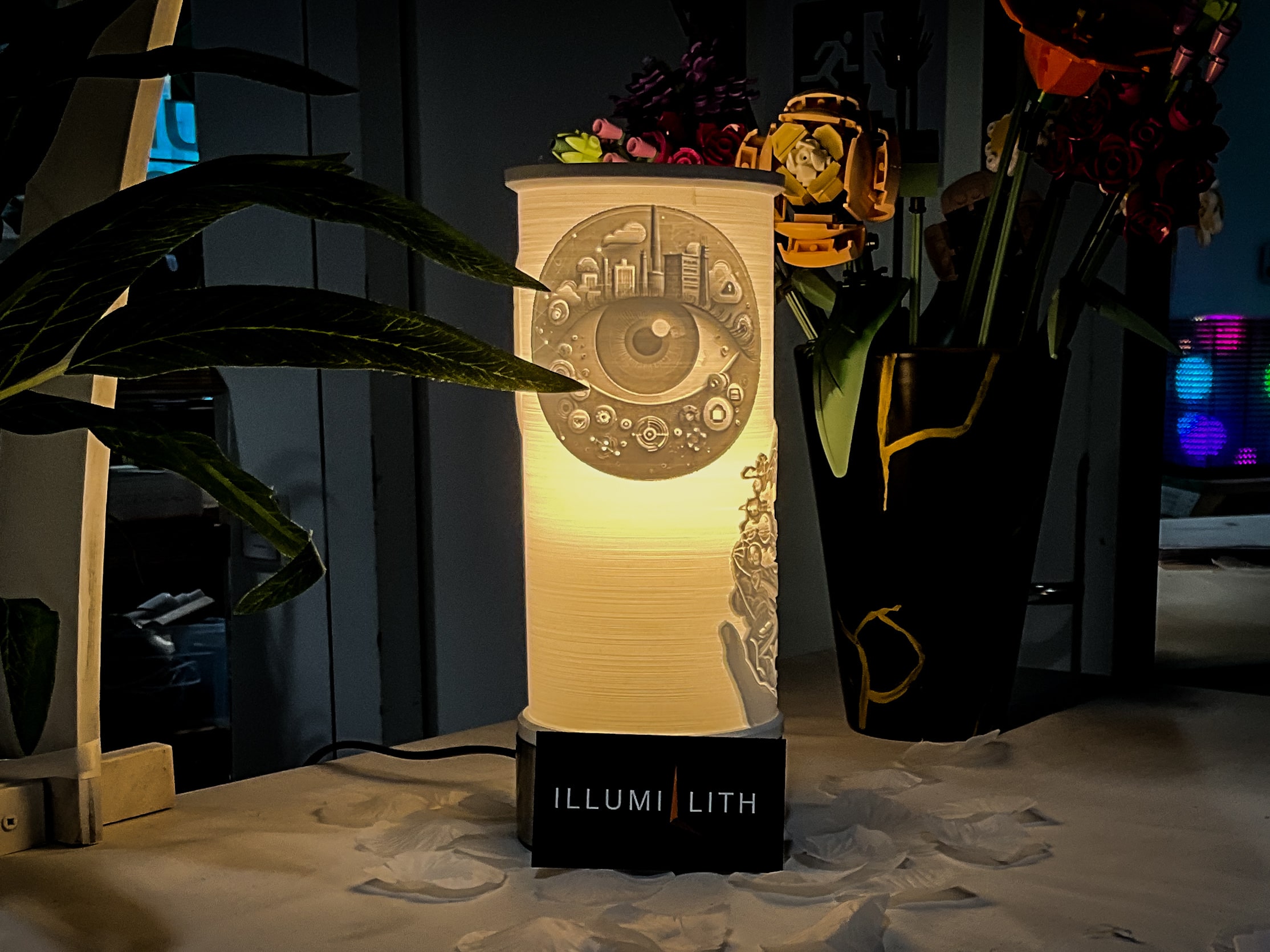
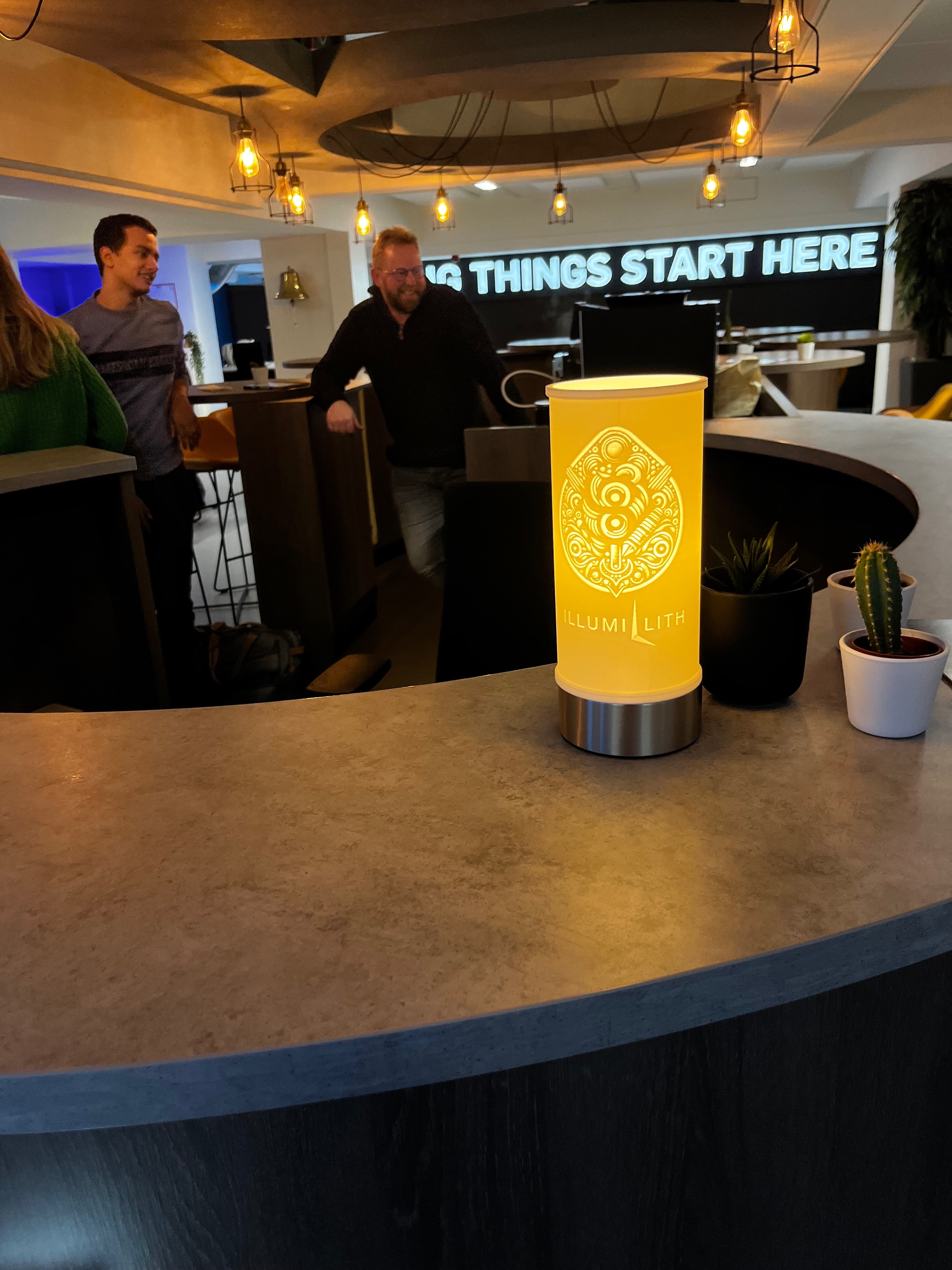
The shadow lamp was developed and brought to market, following through the entire product development cycle. This personalised 3D printed lamp boasts a premium aluminum base with touch-sensitive dimmer, retailing at 50-60EU. The lampshade is made of biodegradable, sugacane-based material.
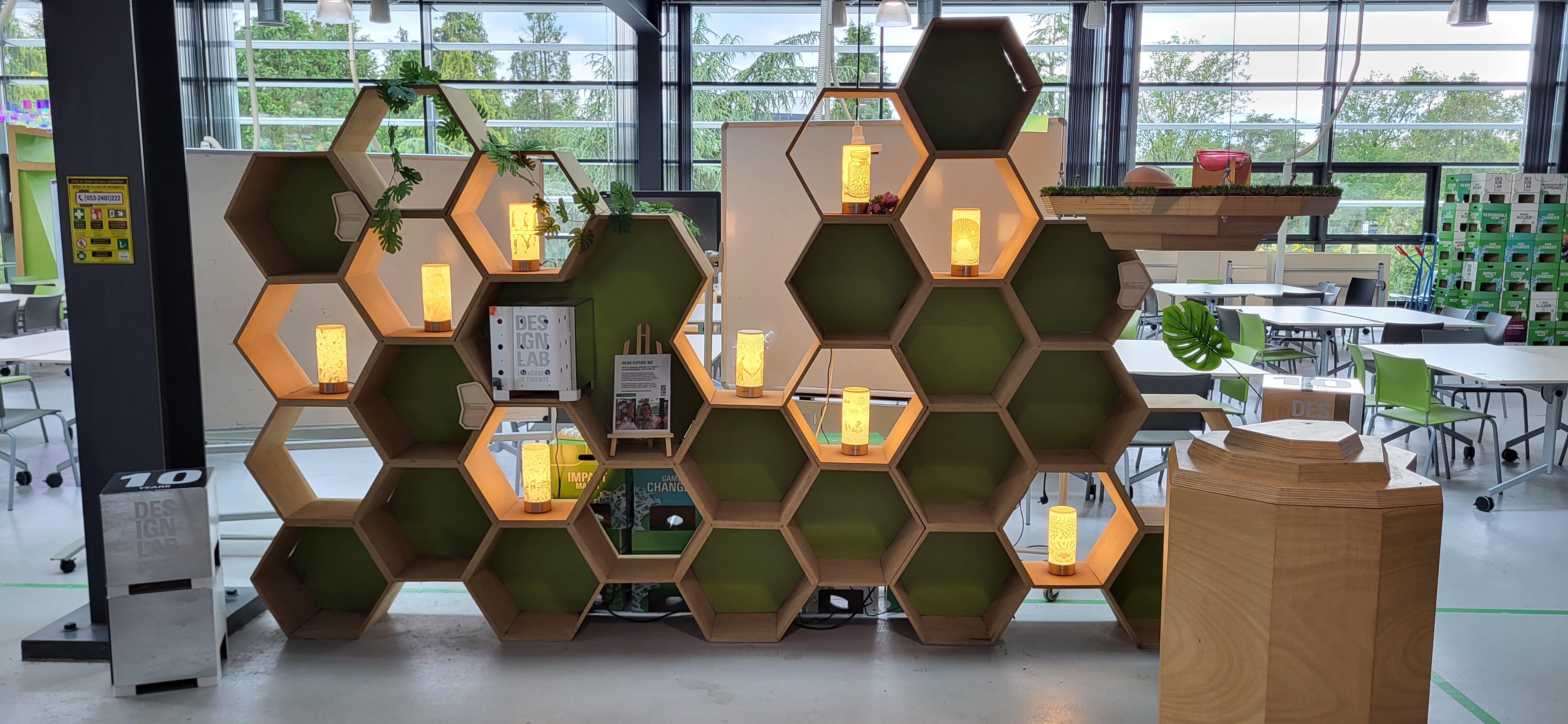
Beyond the product, a cash-positive business was established. This involves a logistical pipeline for a peer-to-peer 3D printing service that was off spun also for other applications. FDM slicing was automated including STL and g-code creation. Overall, Lumos has sold numerous lamps to satisfied clients and has been exhibited at the Dutch Innovation Days 2024.
Check out the instagram here: @mylumolamp