

Startups developing medical assistive devices often struggle to create products that truly meet usability needs, align with business goals, and are technically viable. The core issue? Traditional design methods don't effectively include stakeholder feedback across the entire product lifecycle, which leads to late-stage design flaws, costly rework, and even market failure. A PLM approach is warranted here and needs to be setup from scratch for the startup called J58.
To solve this, a new product development framework (PDASI) is proposed. This hybrid approach blends the creativity of Design Thinking, the speed of Lean Startup, and the adaptability of Agile. By involving all relevant stakeholders early (users, engineers, manufacturers, managers, and end-of-life specialists) their input can guide decisions throughout the development process.
%4032x-8.png)

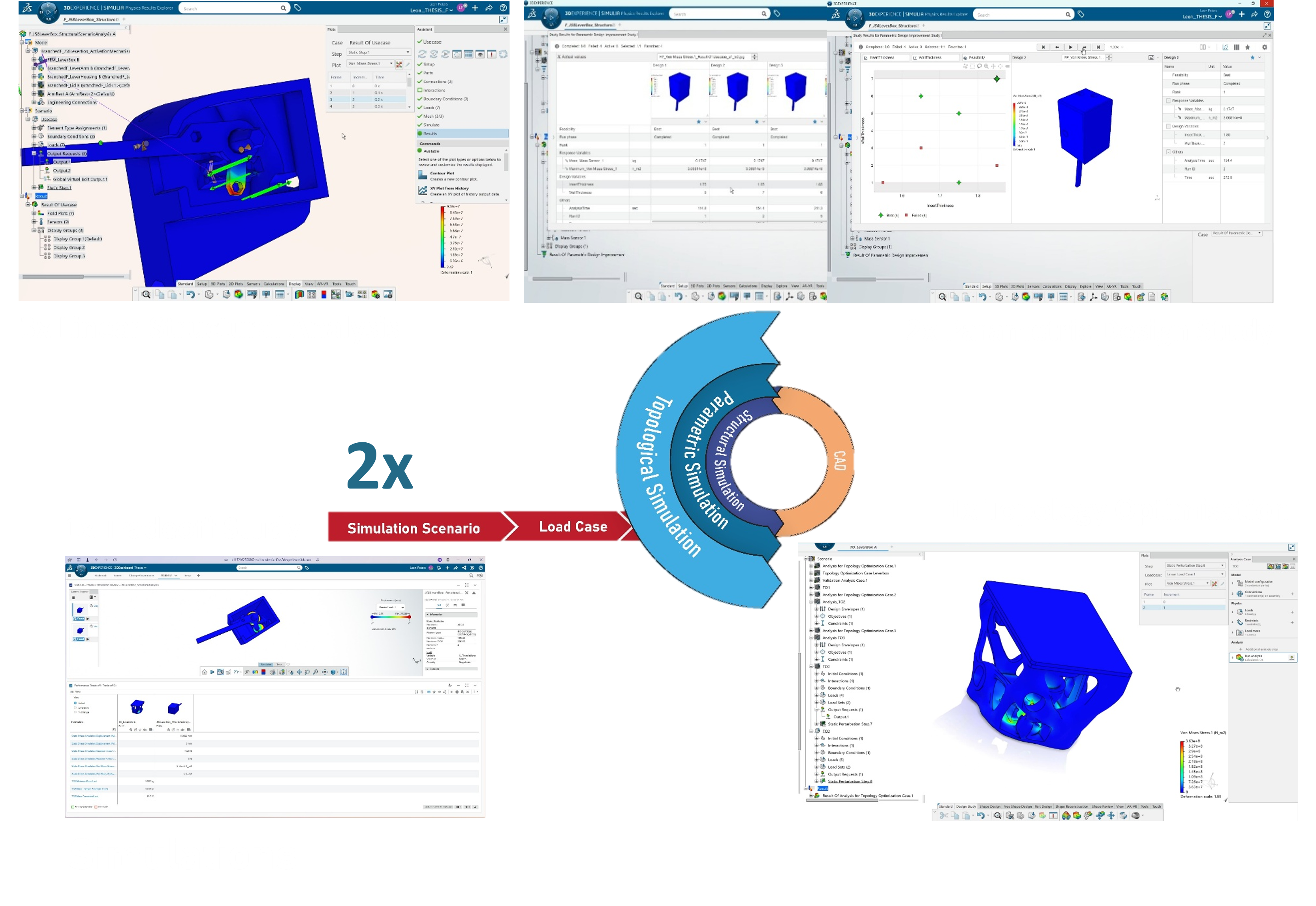
To realise this PDASI framework in practice, Product Lifecycle Management (PLM) tools (i.e. 3DExperience) are used to manage collaboration. These tools help convert lifecycle-wide stakeholder feedback into actionable product changes, while also ensuring performance through engineering simulation. Focus is paid on the real-time integration of CAD (design) and CAE (simulation) into one workflow (MODSIM), enabling design engineers to instantly assess how changes affect product performance and act on it.
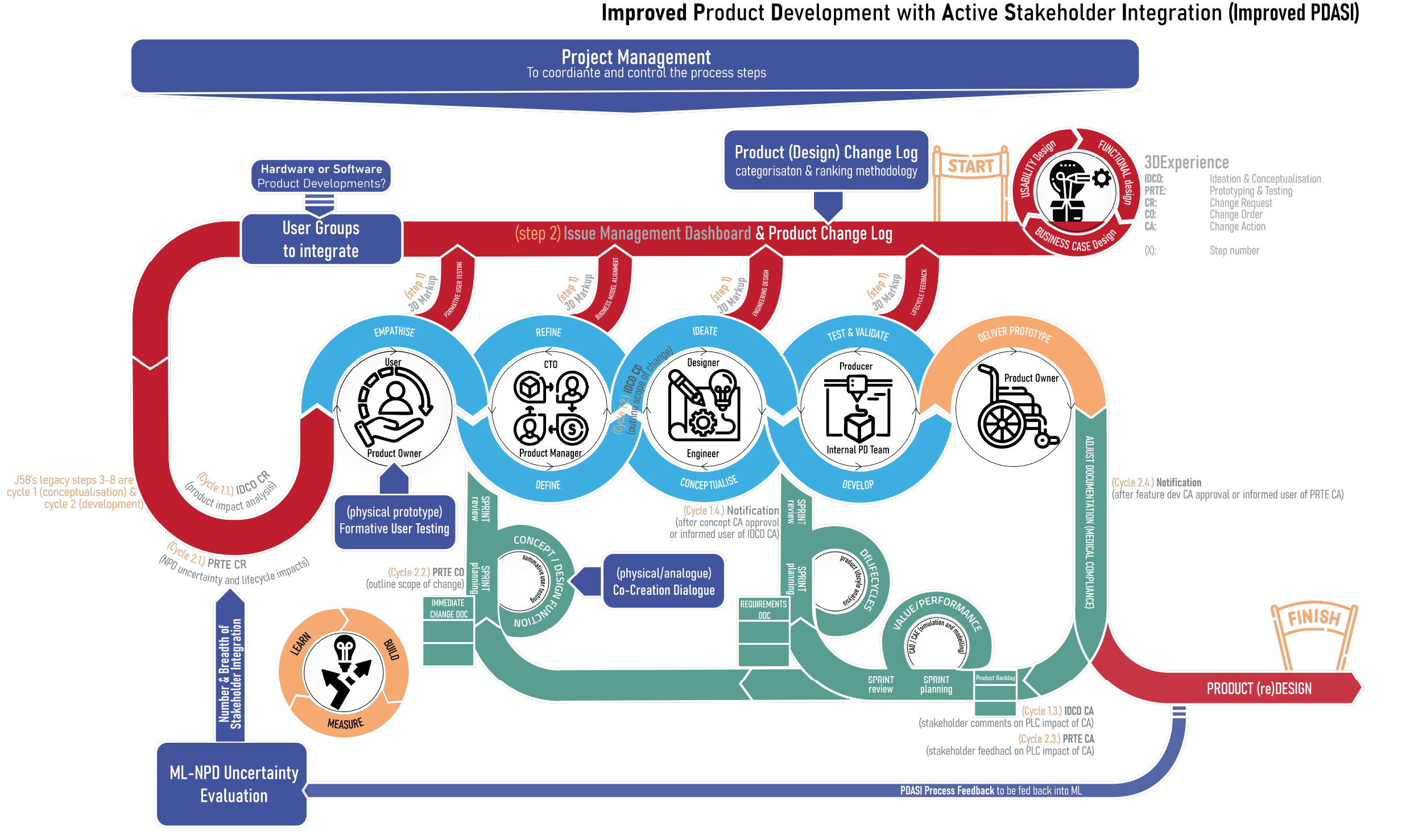
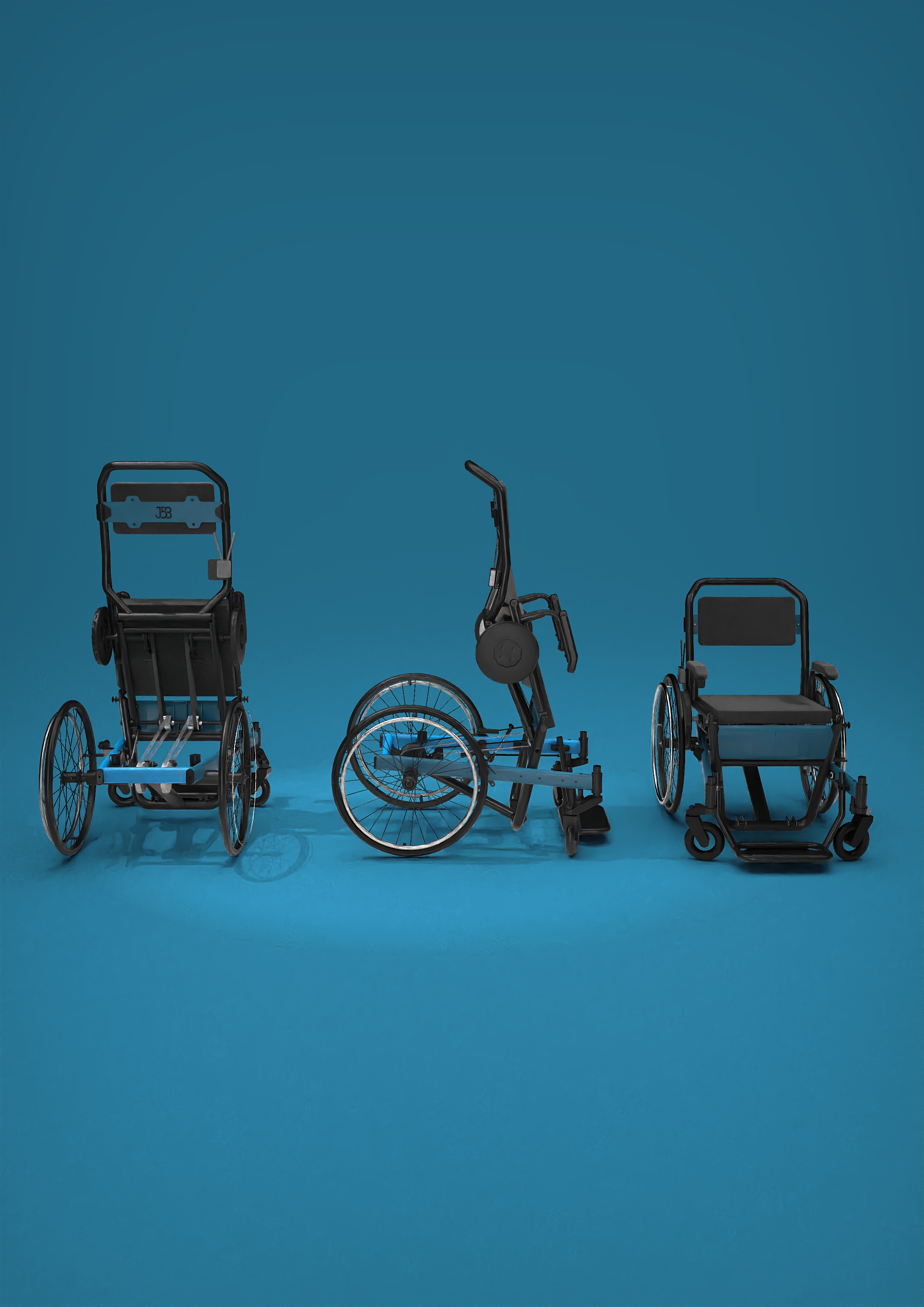
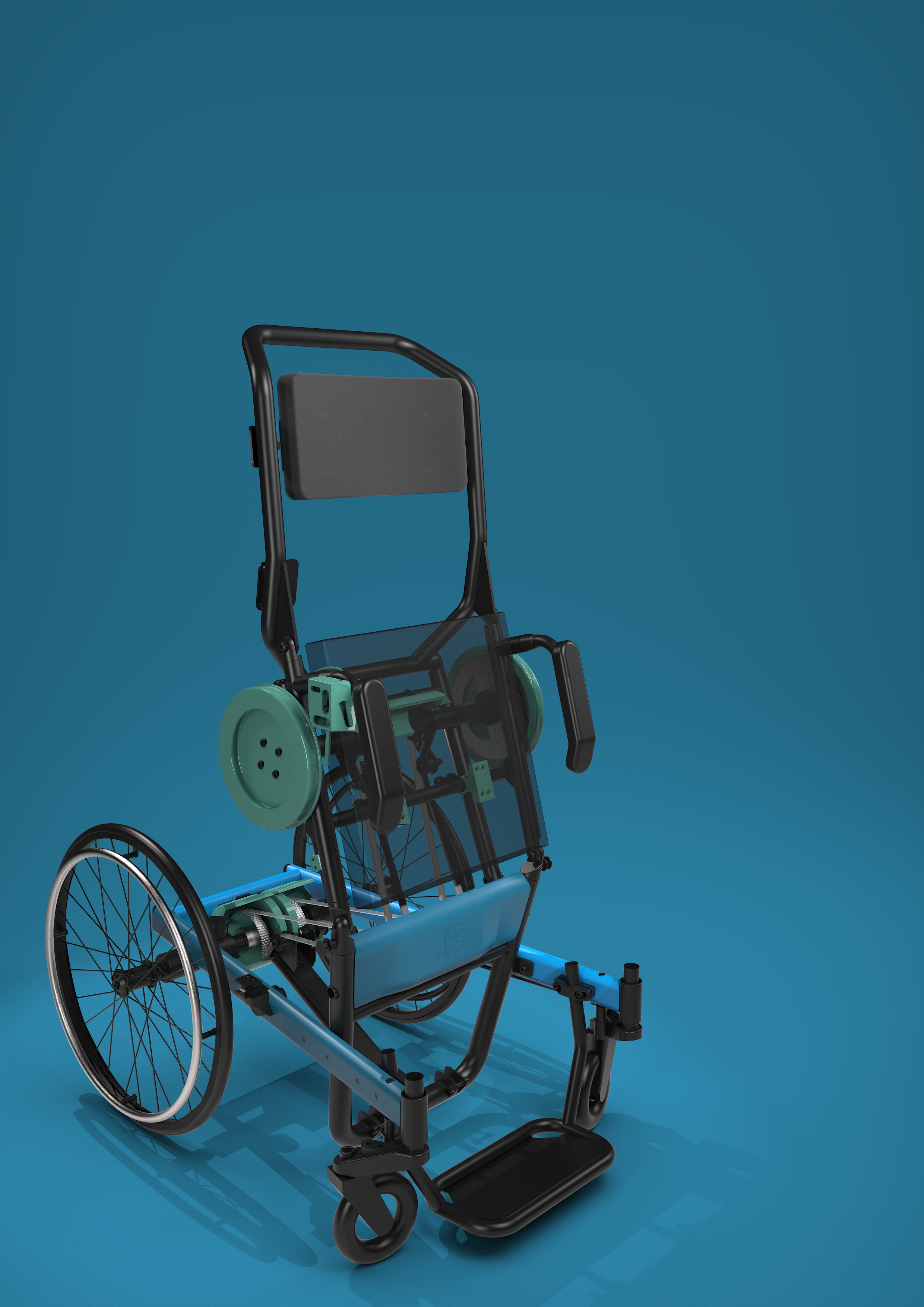
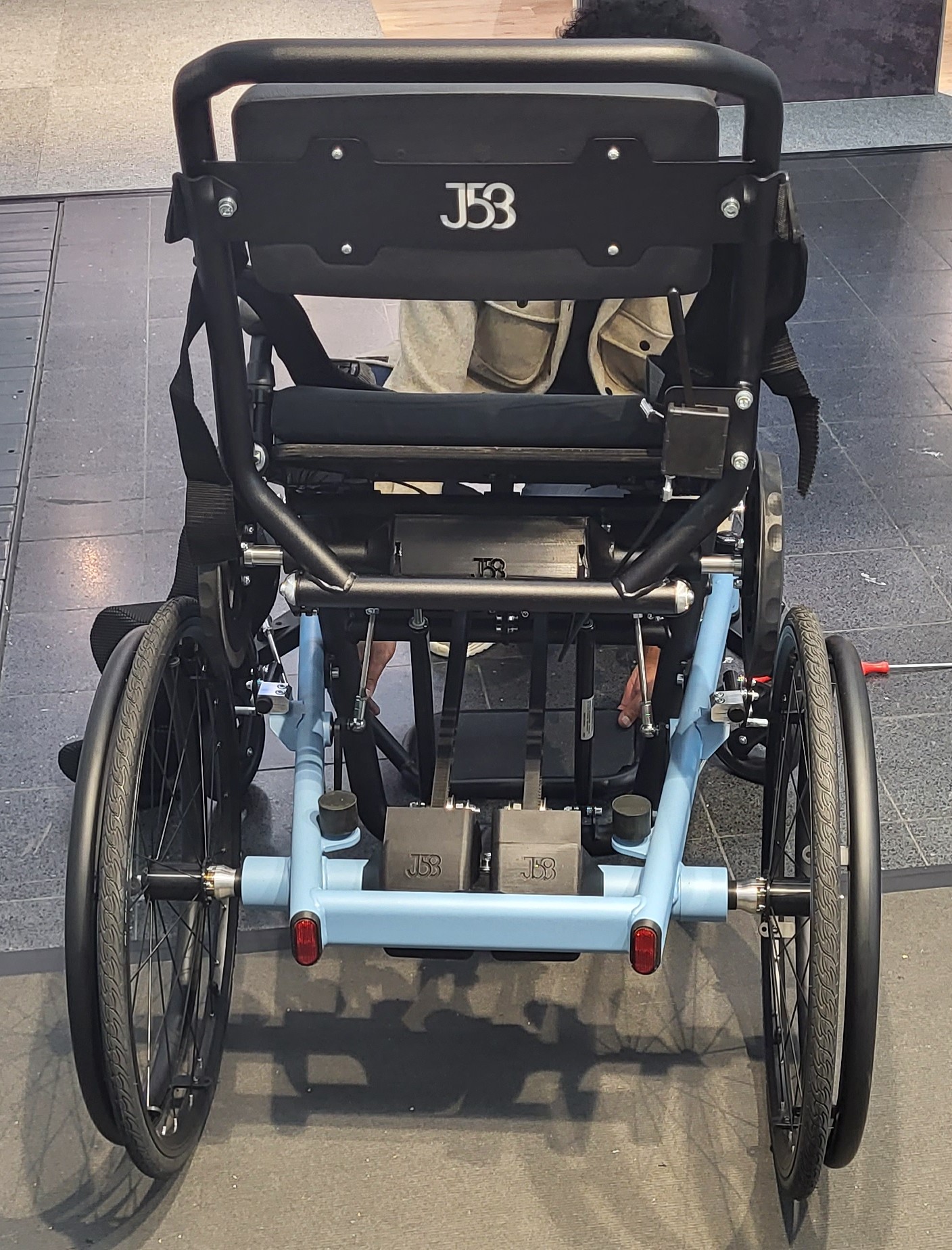
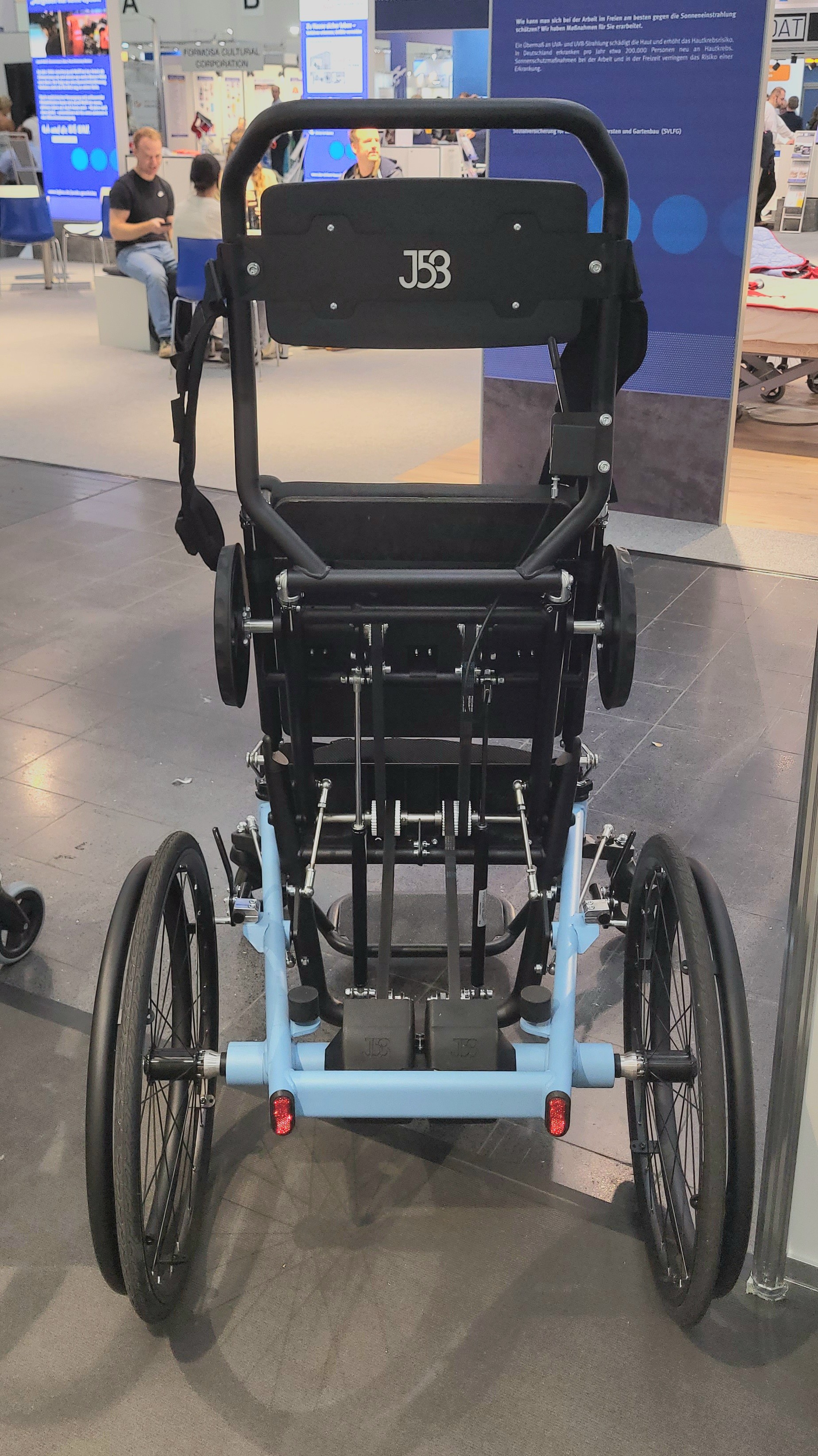
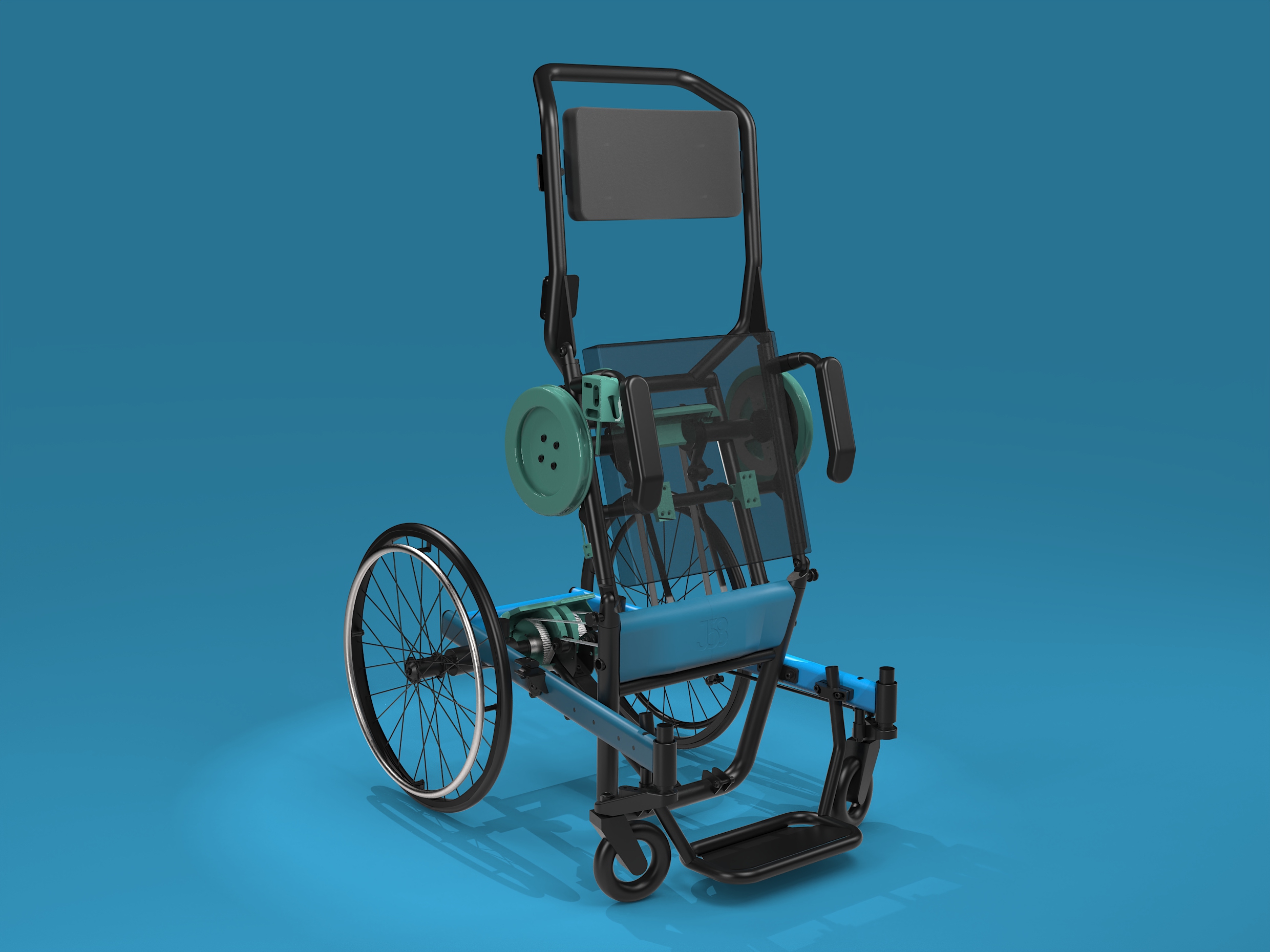
To validate this methodology, PDASI was applied to a real-world case: the redesign of the Ezer using CAD and CAE, a stand-up wheelchair developed by UT startup J58. The approach helped uncover and address usability issues earlier, streamline cross-functional communication, and reduce time-to-market by minimizing rework cycles.
However, the study also revealed a trade-off. Involving many stakeholders can hinder agility. The increased administrative complexity of managing feedback and traceability through PLM tools occasionally slowed decision-making, posing a challenge for startups that thrive on speed and responsiveness. Despite this, the research shows that combining iterative design, real-time simulation, and lifecycle coordination leads to better products. PDASI proves to be a practical and validated PLM-based approach for startups to develop assistive technologies that are both usable and viable, right from the first prototype.
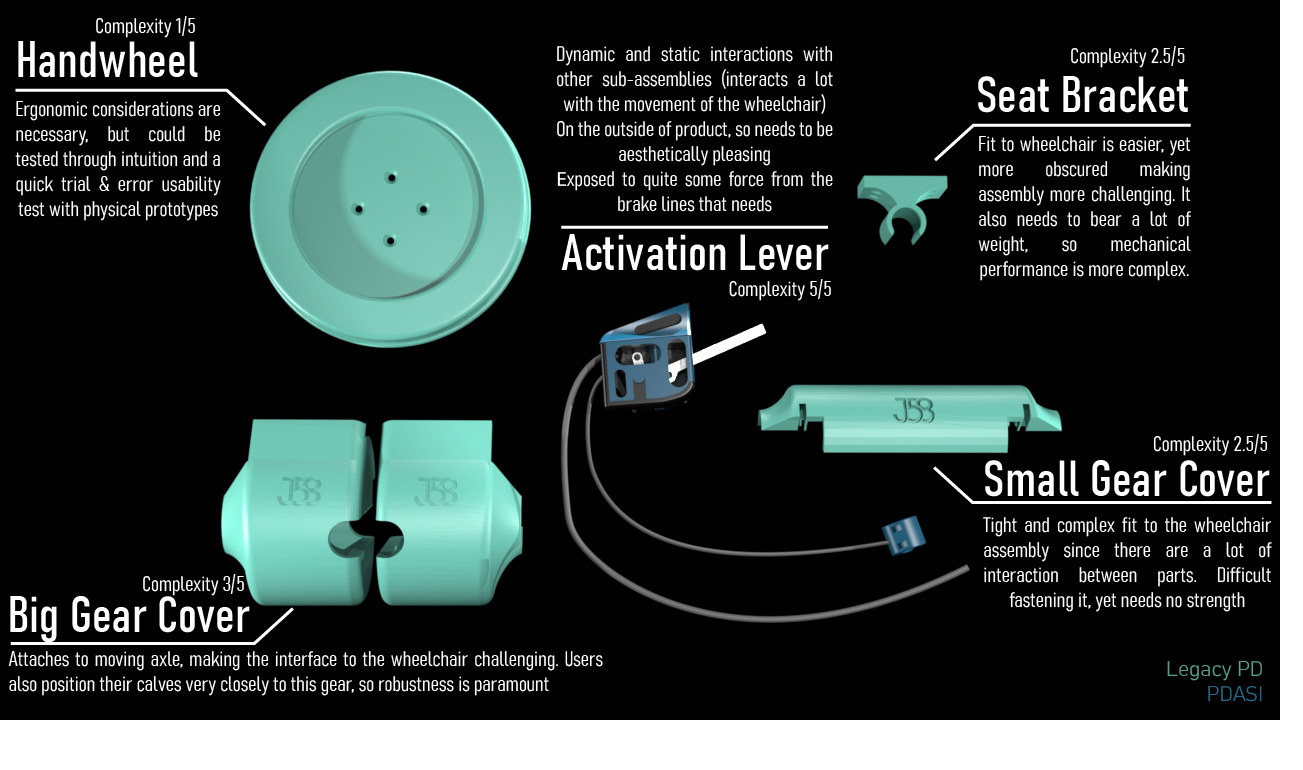
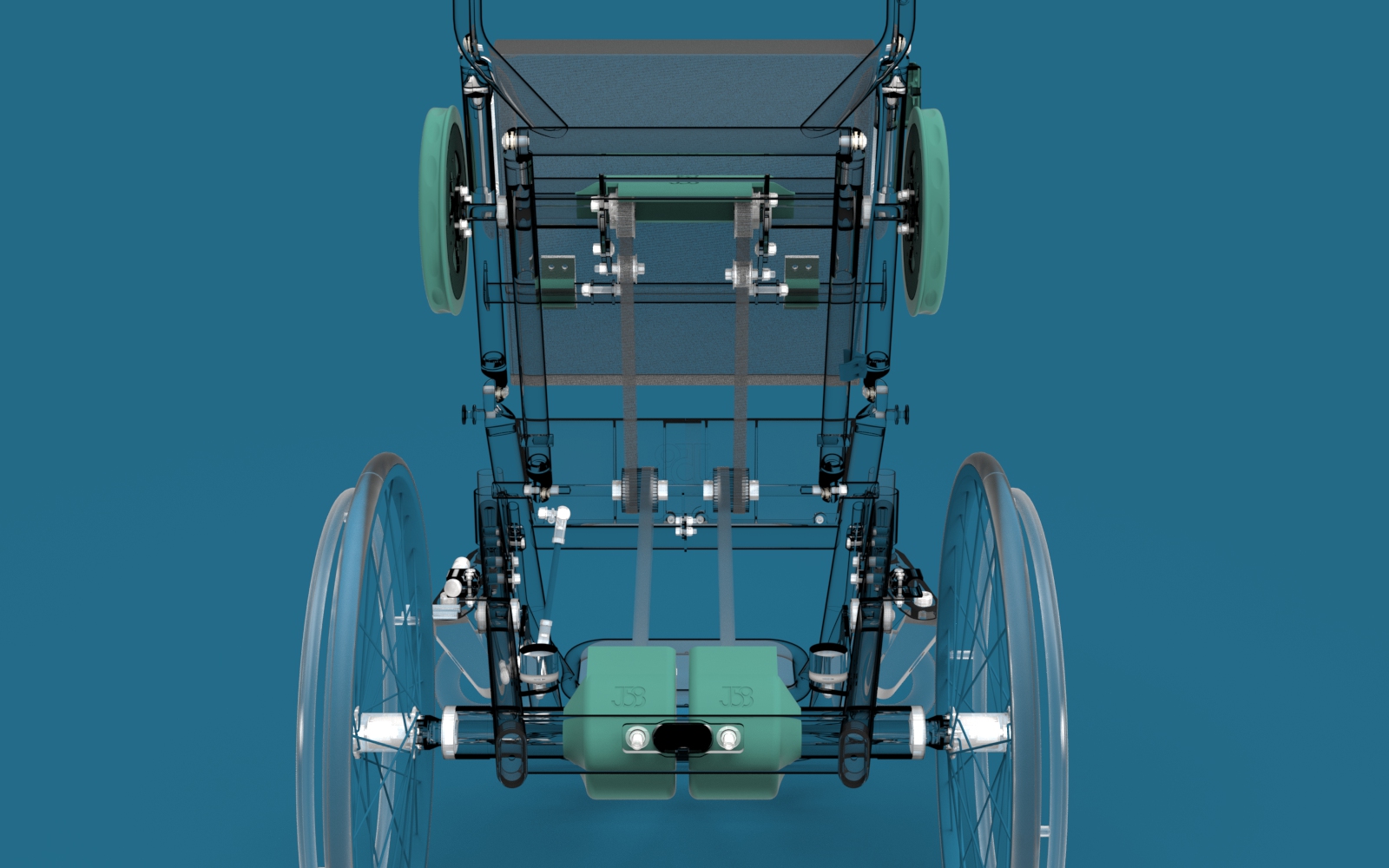
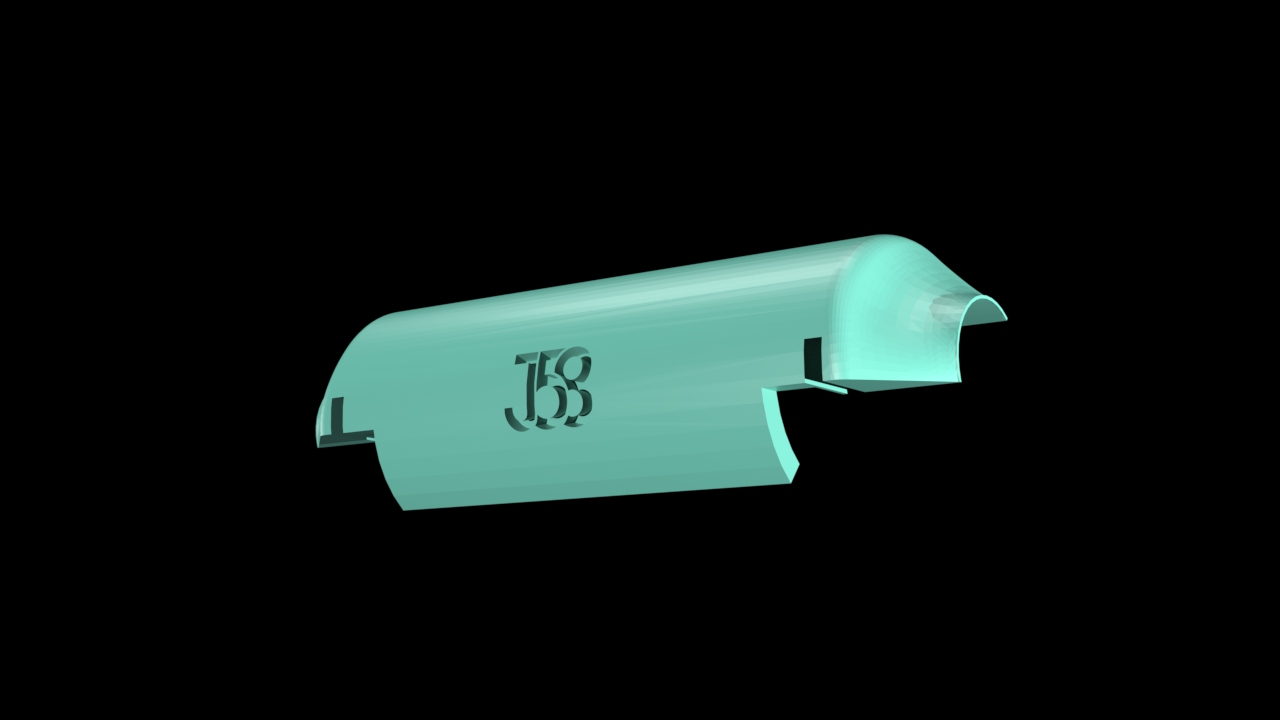
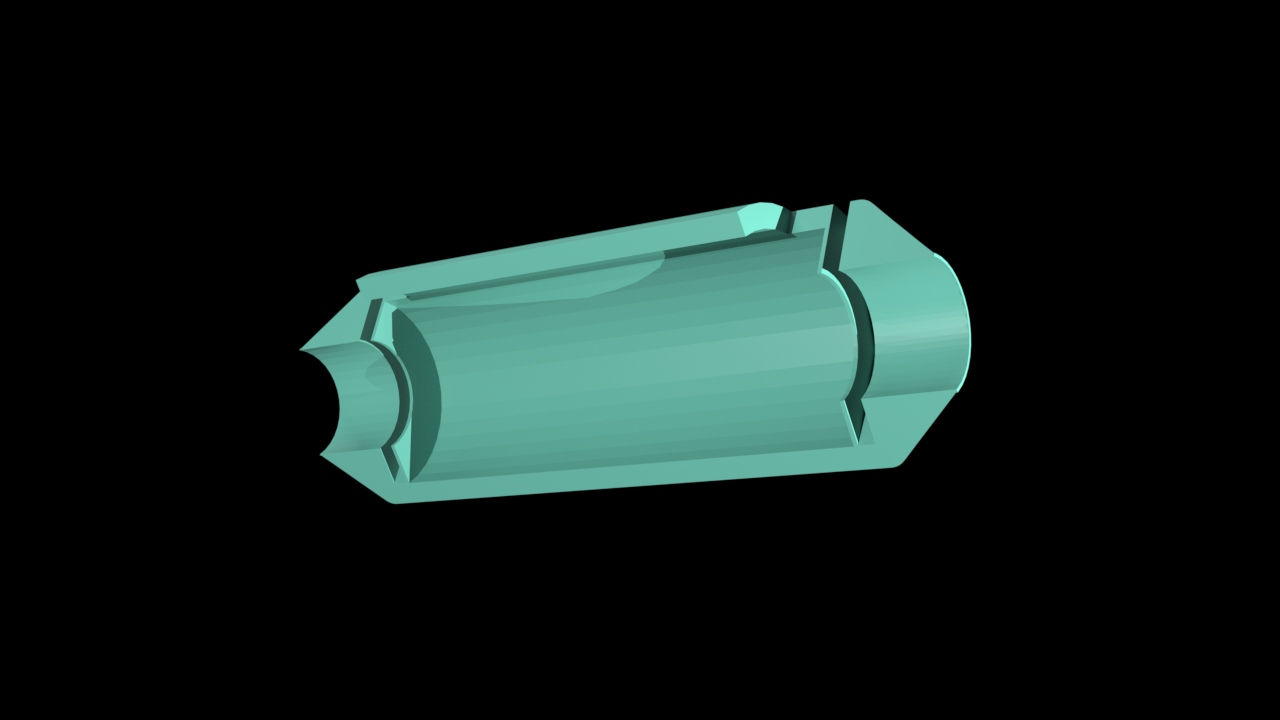
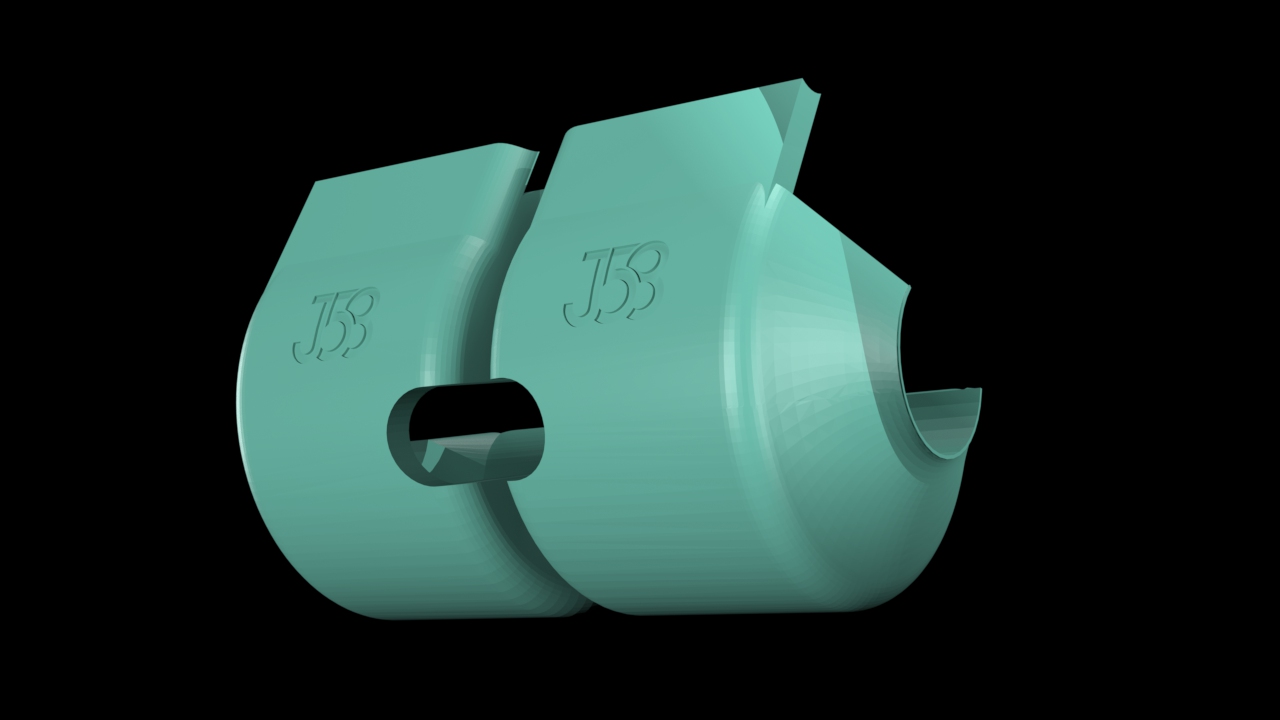
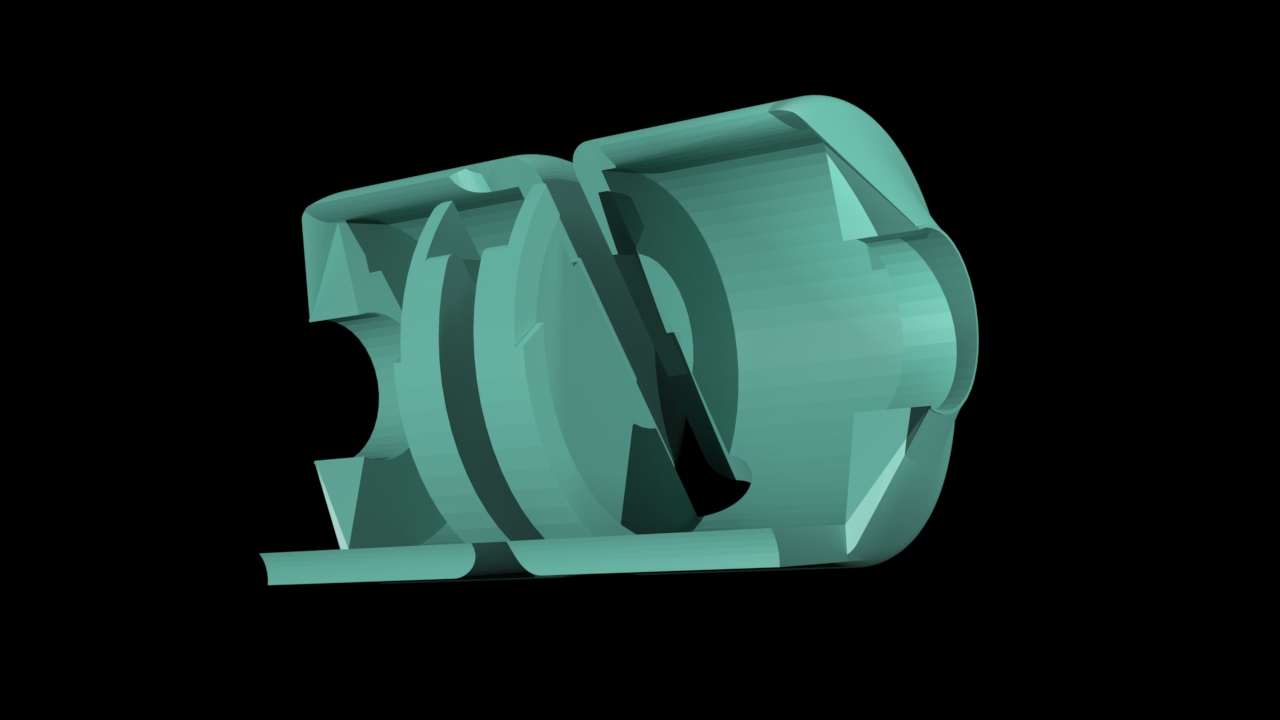
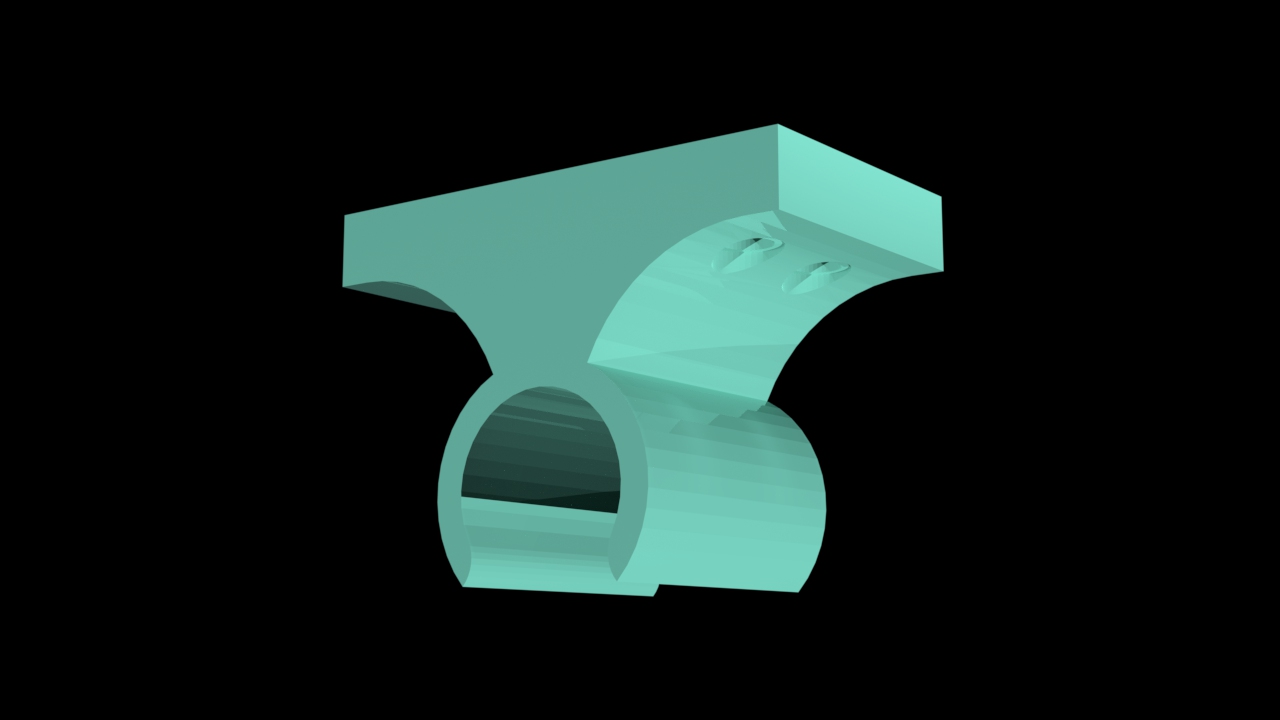
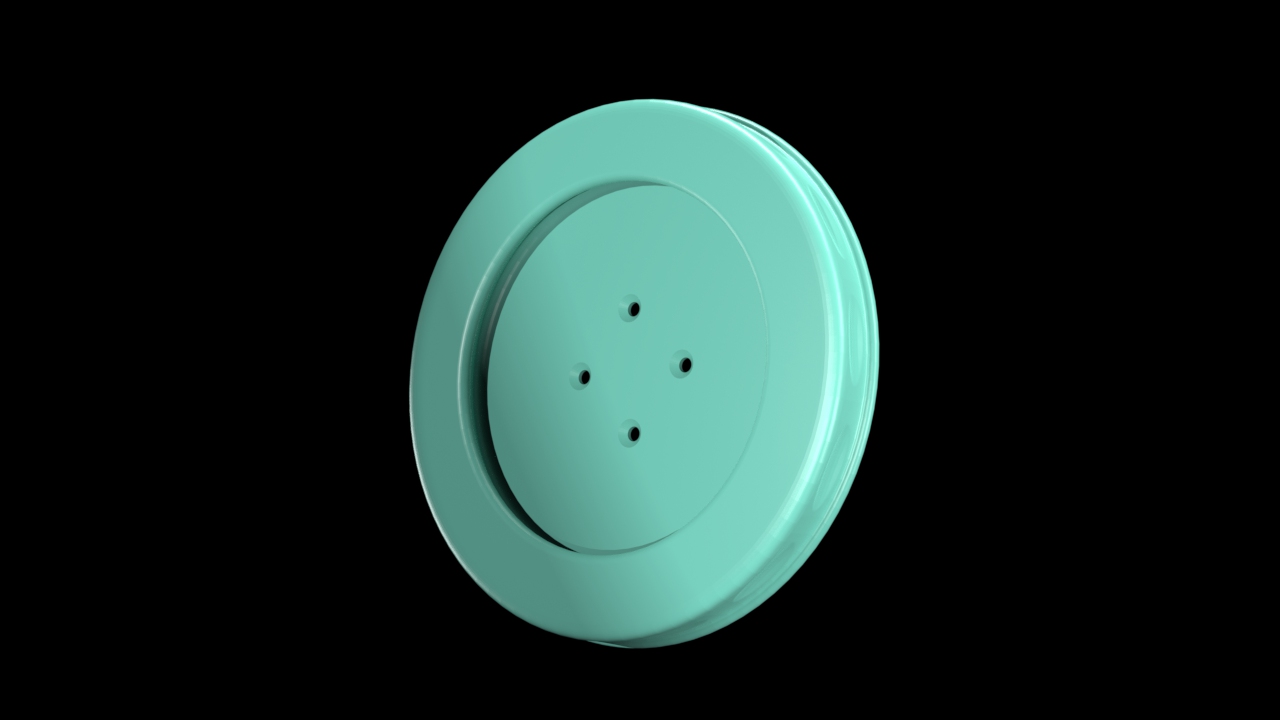
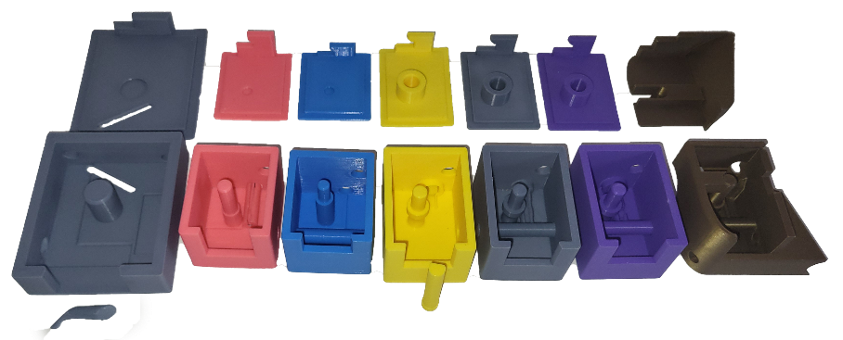
During this project, a total of five distinct elements of the Ezer wheelchair are redesigned based on the product change prioritisation stipulated by the Product Change Log of Appendix 11 in the report. A seat bracket is made to show J58’s legacy PD process at a fundamental level and to provide a more robust fastening of seat to the Ezer for user safety. The different steps to be taken and distinct feedback points to be obtained at J58 are captured. These insights are factored into understanding how to streamline the PD process at J58. The two gear covers are quintessential for ensuring the user's safety (and thus usability) since they protect the user from getting pinched by the moving gears and belts. They pose a good candidate for simulation during the legacy process to ensure it does not break under use. The handwheel has also been redesigned for ergonomic considerations to showcase a simple application of legacy processes, focusing on the core usability of USP products. A major usability flaw reported during formative user testing was related to how strenuous it was to move the wheelchair whilst standing, primarily due to an unergonomic handwheel. These four simple products were redesigned using J58’s legacy PD process.
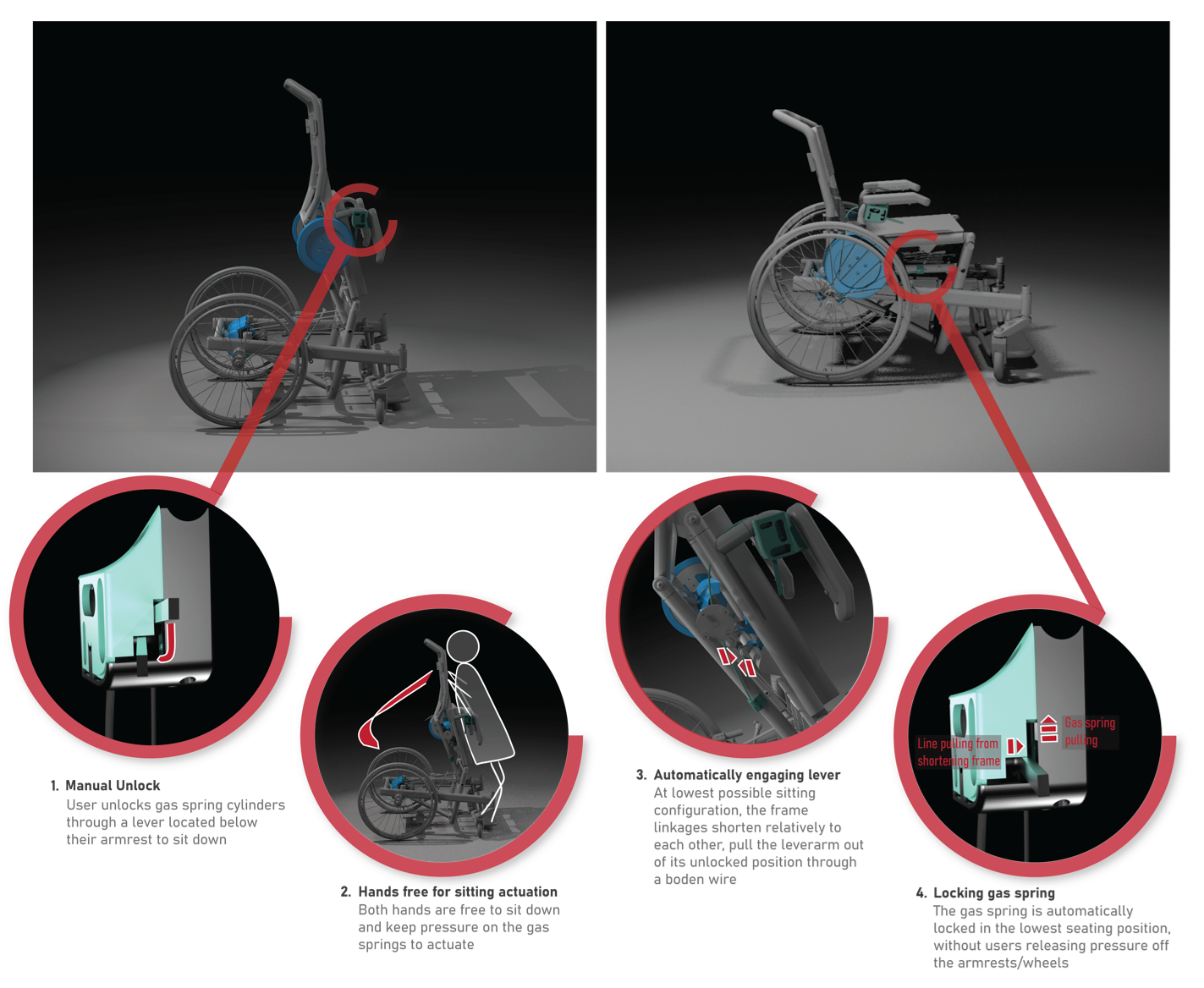
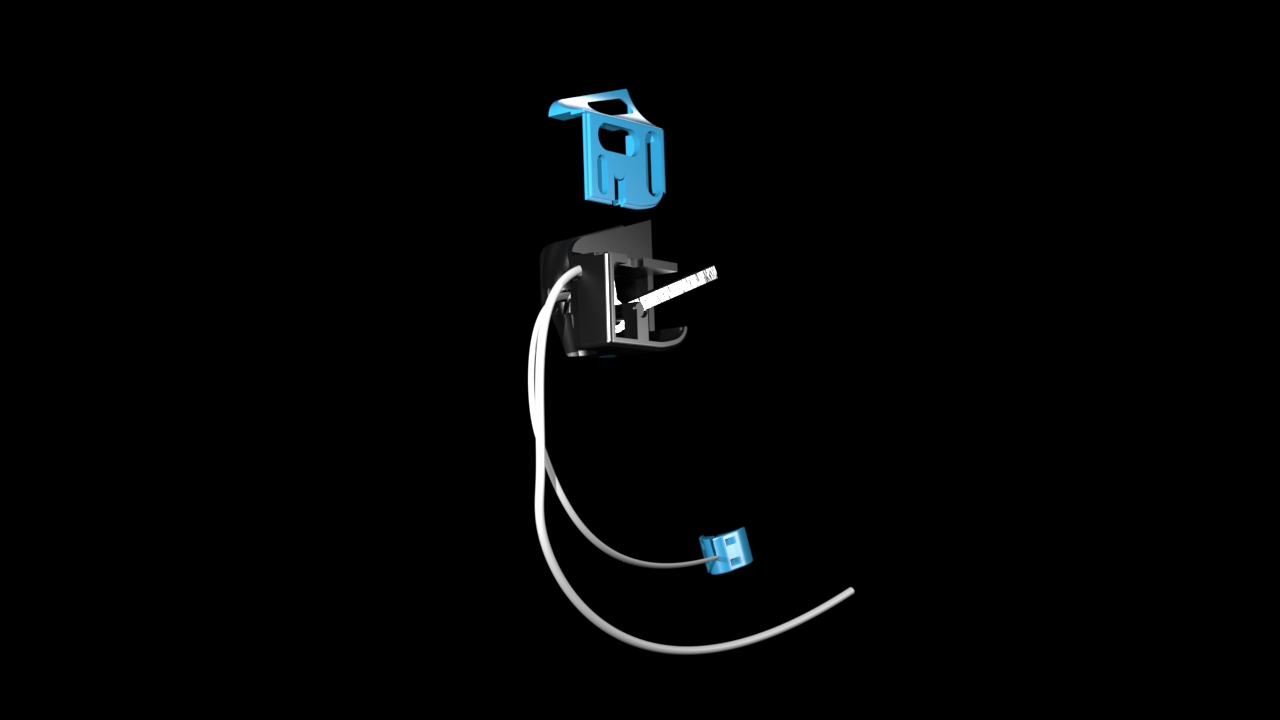
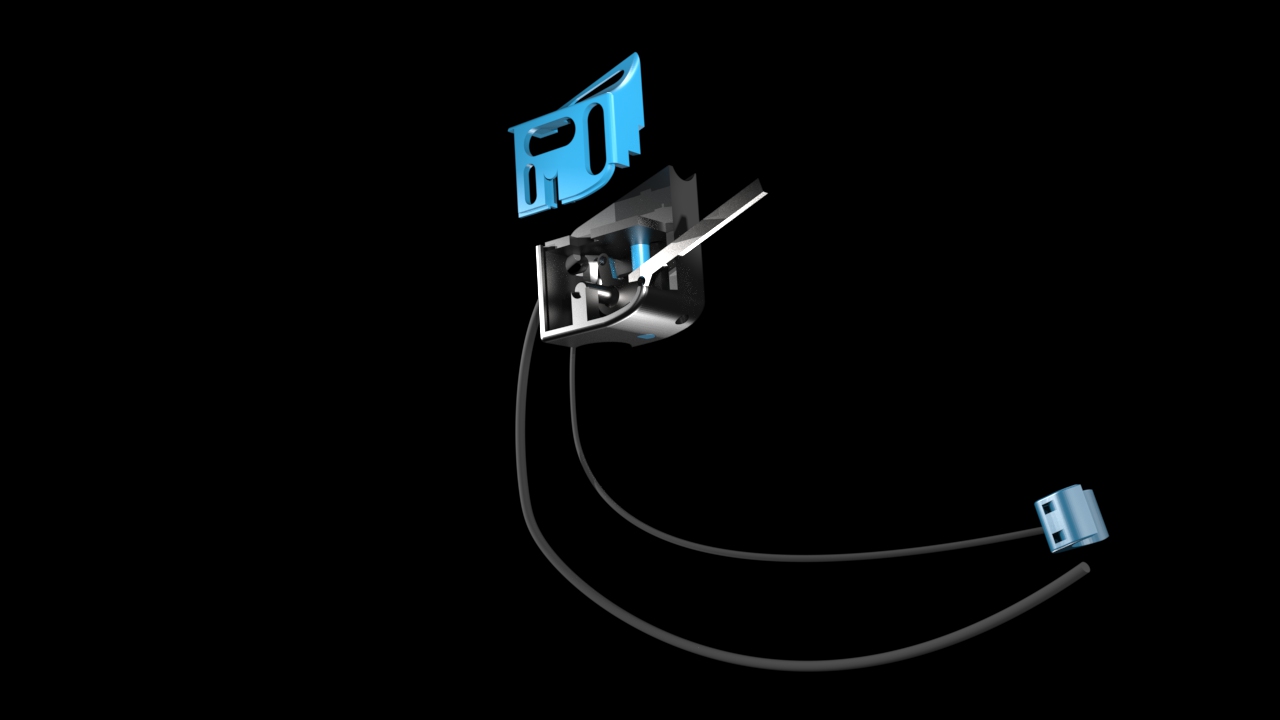
Applying PDASI and PLM at J58, the fifth and most complex product is redesigned: the activation lever mechanism. Based on redesign suggestions of Table 9 of the report, the priority stipulated by the Product Change Log of Appendix 11, and the USP of the Ezer in facilitating the use cases, the ability for users to hold things needs improvement. The position of the activation lever to (un)lock the gas piston to go from standing to sitting is highly inaccessible and even requires three points of contact (two hands on the wheels to evenly pull the user down, yet another is needed to then lock the piston). By moving the lever mechanism under the arm rest and adding an automatic locking function when the bottom-most seating position is reached, one hand is freed up. This provides the user the option to pull themselves down with both hands or pull down with one hand and keep the other free to carry any item they might have picked up whilst standing. This redesign will showcase the new approach by being a great candidate for iterative design-simulation workflows in 3DExperience. It experiences static and dynamic interactions with other Ezer sub-assemblies while boasting aesthetic and detailed ISO requirements.